
Texas Pest Library
Common House Spiders
Araneae (wolf, jumping, orb-weaver & house spiders)
 Definity Pest Services · DFW
The common house spiders of Texas — wolf spiders, jumping spiders, orb-weavers, and true house spiders (order Araneae) — are the everyday, mostly harmless spiders found around homes. They're natural insect control and rarely bite, but webbing in corners, eaves, and garages and the fear factor make them an unwelcome sight. Control combines de-webbing, a barrier treatment, harborage reduction, and — the real key — reducing the insects they feed on, since spiders follow their food.
Quick reference
Identification
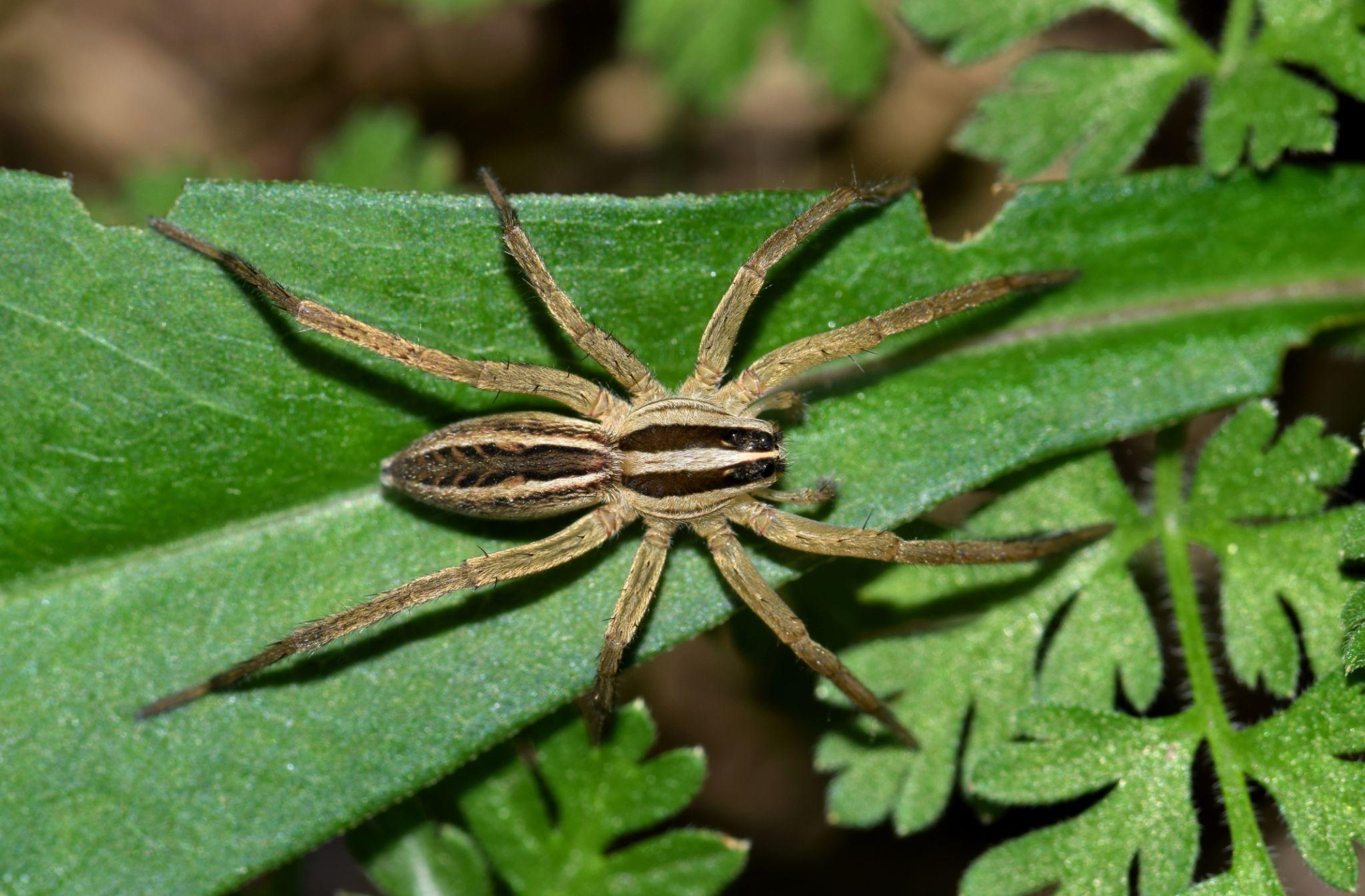
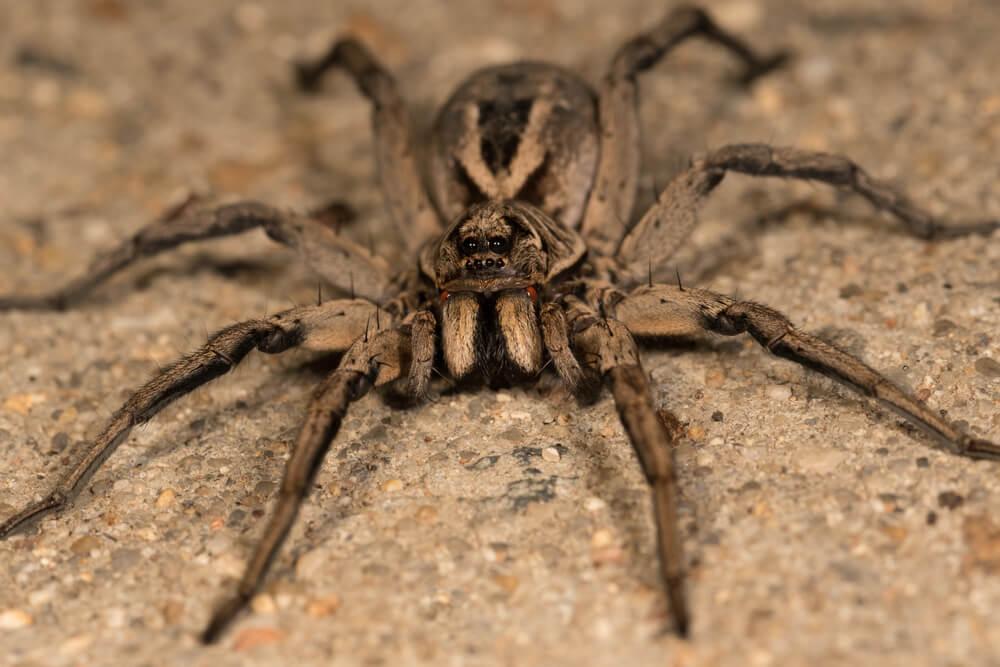
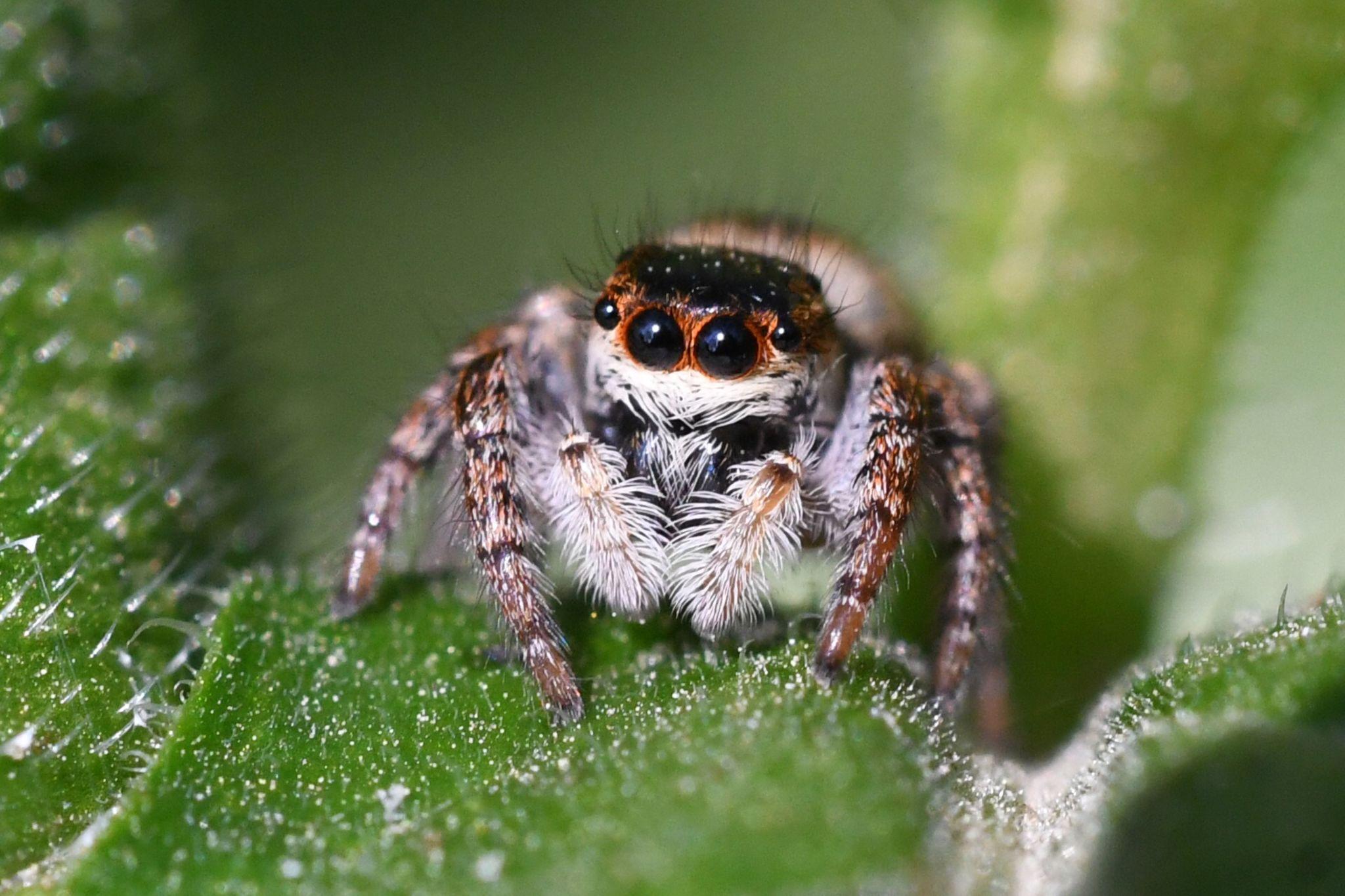
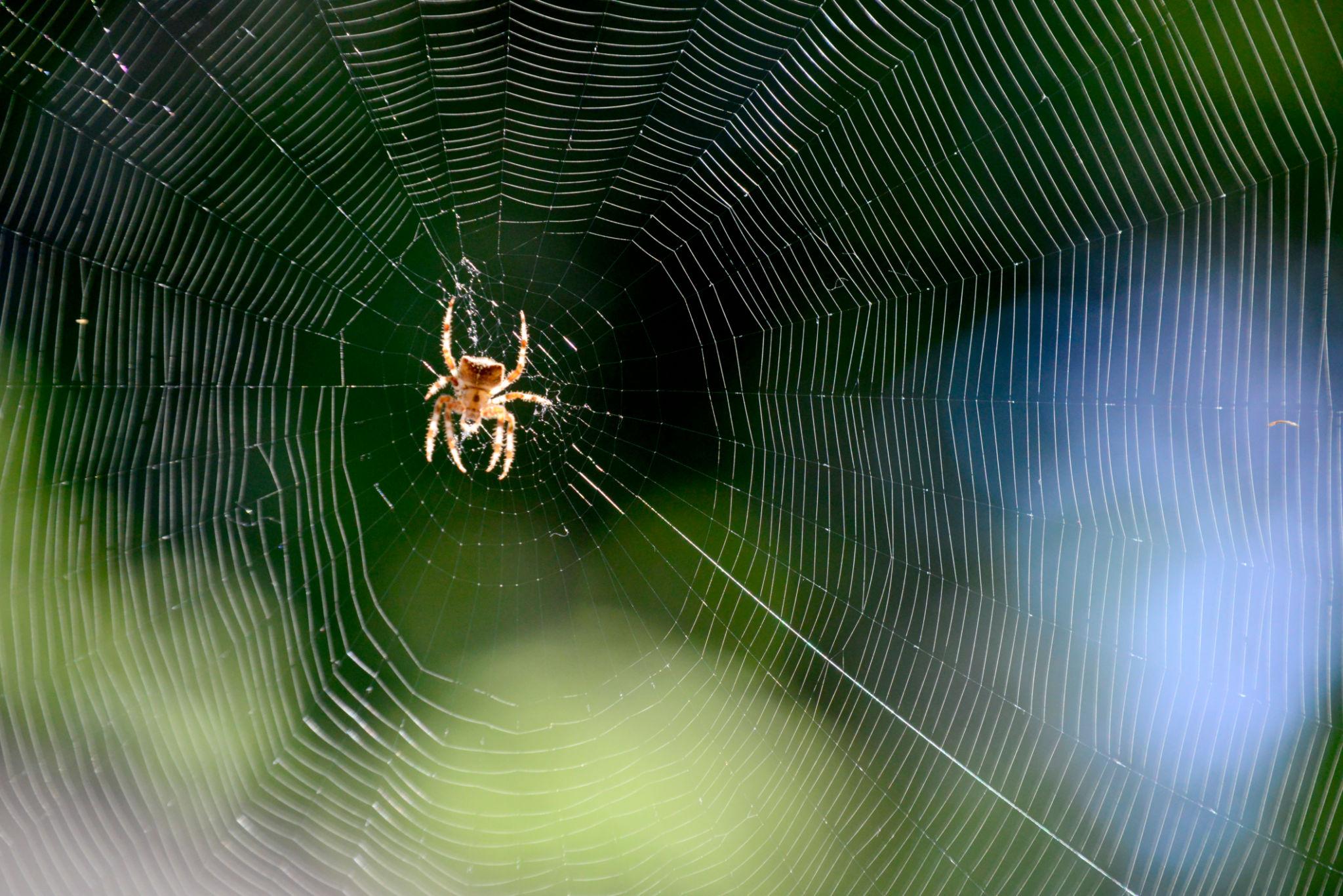
This group covers several familiar types: wolf spiders are large, fast, ground-hunting spiders that don't build a catching web; jumping spiders are small, compact, and active by day with excellent vision; orb-weavers spin the classic round wheel-shaped webs across eaves, doorways, and gardens; and true house spiders build messy cobwebs in corners, garages, and basements. None has the brown recluse's violin mark or the black widow's red hourglass — the absence of those features helps separate harmless house spiders from the two medically significant Texas species.
Where it's found
- Eaves and corners
- Garages and basements
- Around exterior lighting
- Doorways and porches
- Gardens and foundation plantings
Risk level
- Mostly harmless and non-venomous
- Bites uncommon and typically minor
- Nuisance webbing and fear factor
Signs of activity
- Cobwebs in corners and orb-shaped webs across eaves and doorways
- Spiders clustered around exterior lights where insects gather
- Egg sacs tucked into webbing and sheltered spots
How Definity treats it
- De-web eaves, corners, entries, and remove egg sacs
- Apply a barrier treatment around the eaves, doors, and foundation
- Reduce harborage such as clutter and debris where spiders shelter
- Reduce the insect prey that draws spiders in, since spiders follow their food
How to identify common house spiders
This group covers several familiar types: wolf spiders are large, fast, ground-hunting spiders that don't build a catching web; jumping spiders are small, compact, and active by day with excellent vision; orb-weavers spin the classic round wheel-shaped webs across eaves, doorways, and gardens; and true house spiders build messy cobwebs in corners, garages, and basements. None has the brown recluse's violin mark or the black widow's red hourglass — the absence of those features helps separate harmless house spiders from the two medically significant Texas species.
Behavior & biology
These spiders are predators that go where the insects are, which is why they cluster around exterior lights, eaves, garages, and damp corners where prey gathers. Web-builders like orb-weavers and house spiders set up where flying and crawling insects travel; hunters like wolf and jumping spiders roam in search of prey. They lay eggs in silk sacs tucked into webbing or sheltered spots, and populations rise and fall with the available insect food and the seasons rather than exploding the way insects do.
Why common house spiders matter
Common house spiders cause no structural damage and are, on balance, beneficial — they prey on flies, mosquitoes, roaches, and other insects. Bites are uncommon and, for these non-venomous species, typically minor. The practical issues are aesthetic and psychological: unsightly webbing across eaves, porches, and corners, egg sacs in webs, and the simple fact that many people are unsettled by spiders, especially the large, fast wolf spiders that wander indoors.
DIY vs. professional control
Knocking down a web or treating a single spider does little when the underlying insect food source keeps drawing more in. Professional control is broader: removing webbing and egg sacs, applying a barrier treatment around the eaves, doors, and foundation where spiders set up, reducing harborage like clutter and debris, and — most importantly — controlling the insects the spiders are feeding on, since cutting their food supply is what actually lowers spider numbers.
How Definity treats common house spiders
Definity controls common house spiders by de-webbing eaves, corners, and entries, applying a barrier treatment around the structure, reducing harborage like clutter and debris, and treating the insect prey that draws spiders in the first place. Johnny Lockridge's point is that spiders follow their food — knock down the webs and treat the perimeter, but reduce the insects they're eating and the spiders lose their reason to stay.
Fast facts
- Common house spiders like wolf, jumping, orb-weaver, and house spiders are non-venomous to people and act as natural insect control, preying on flies, mosquitoes, and other pests.
- Spiders follow their food, so a persistent spider problem usually points to an underlying insect population — reducing the prey is what most effectively lowers spider numbers.
Visual ID
What common house spiders look like
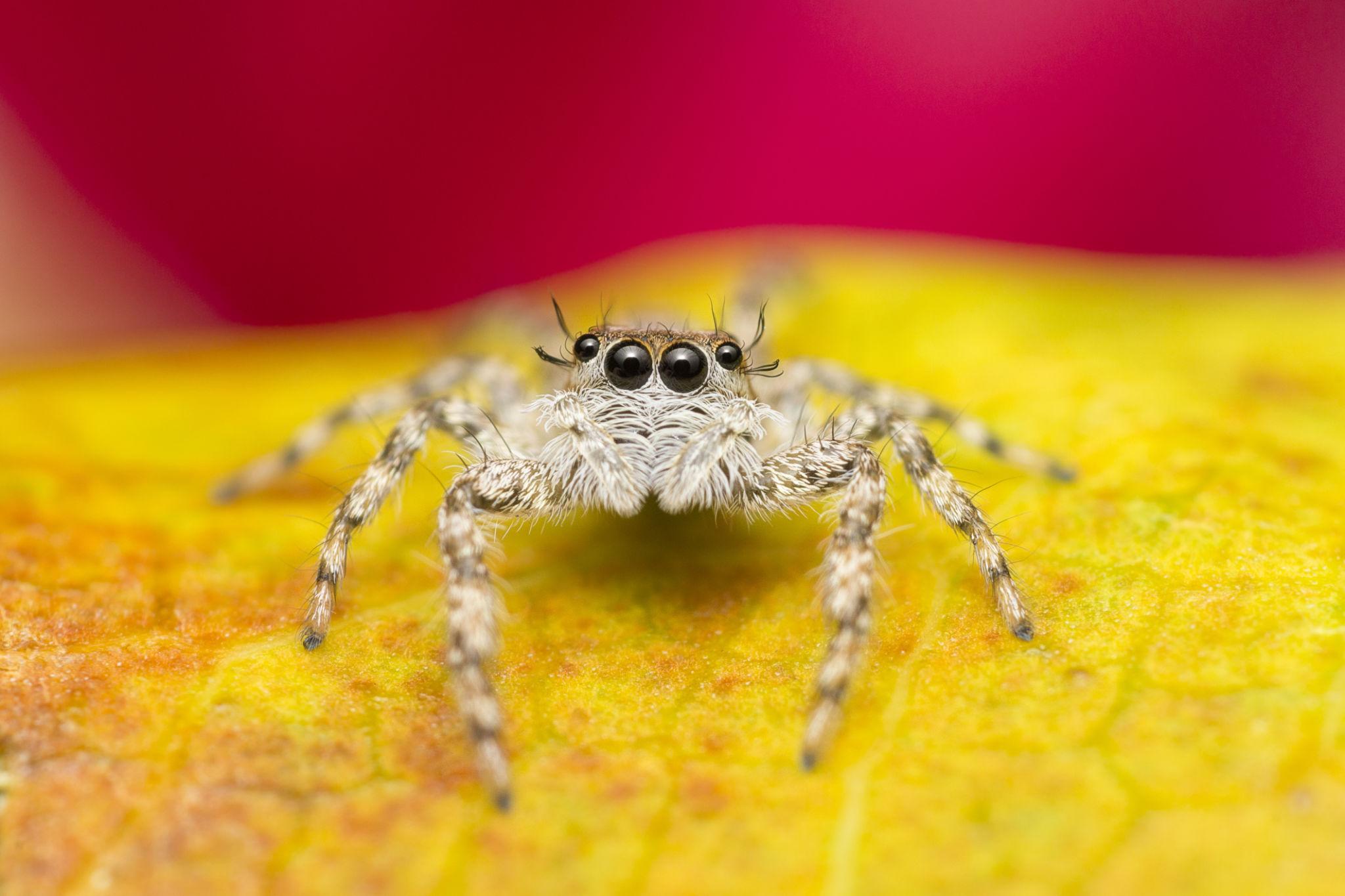
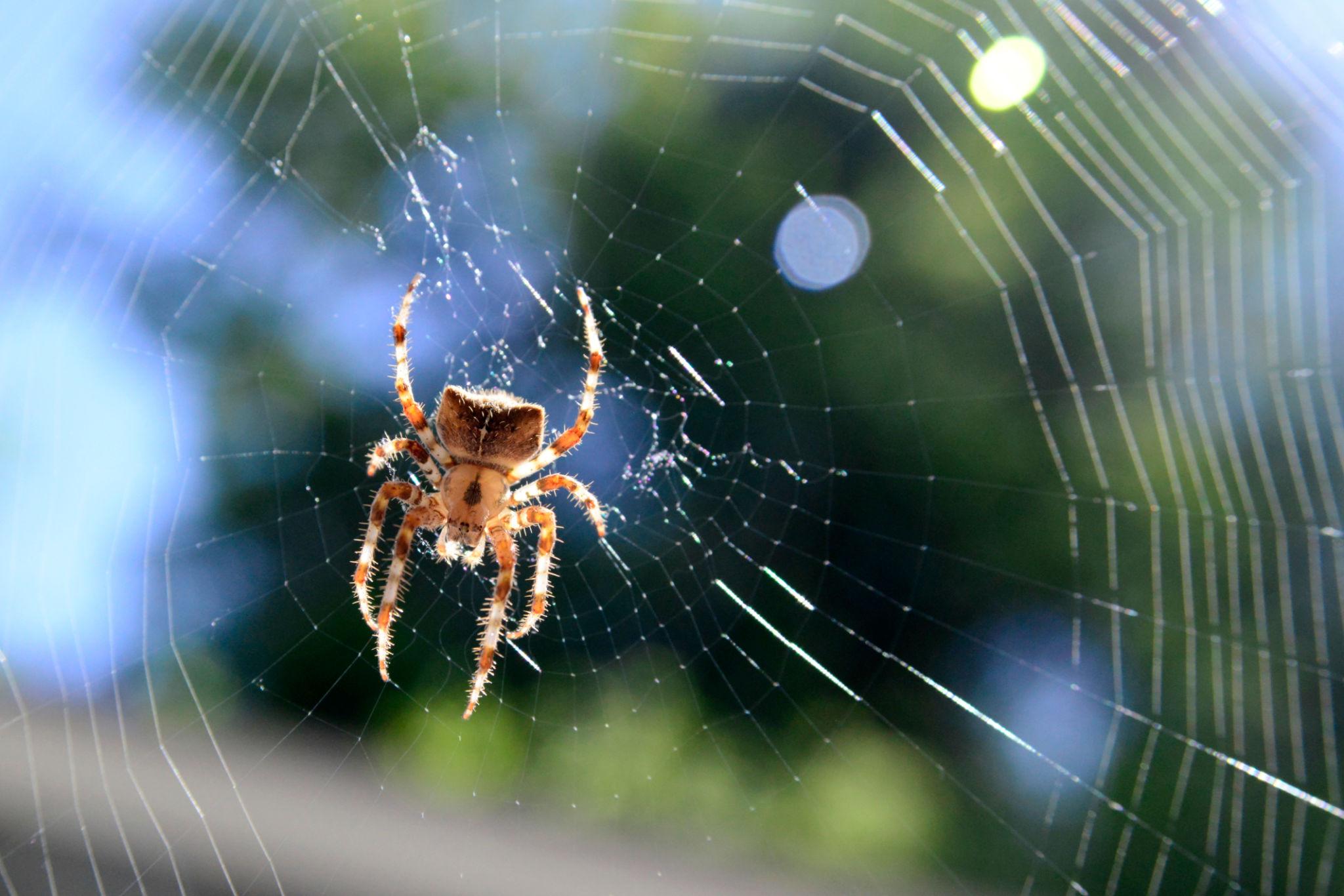
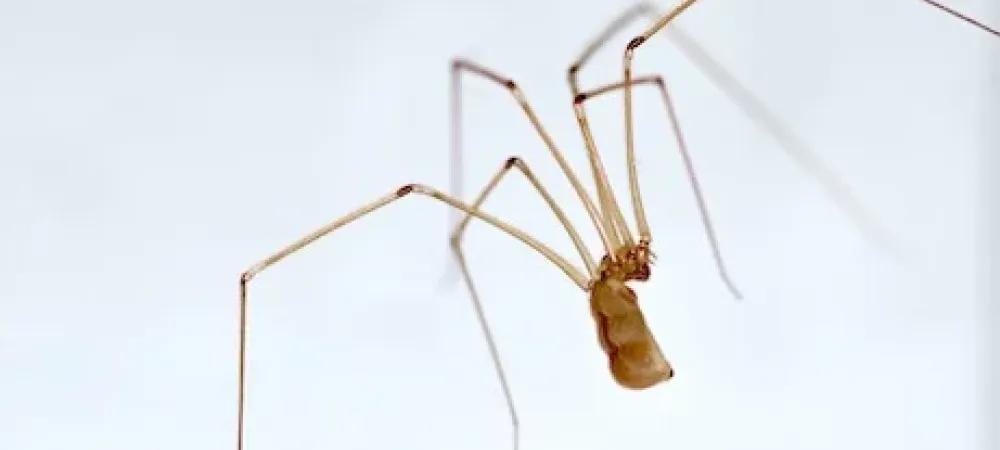
Real reference photos to help you identify common house spiders before they become a bigger problem.
How we treat it
Termite Treatment
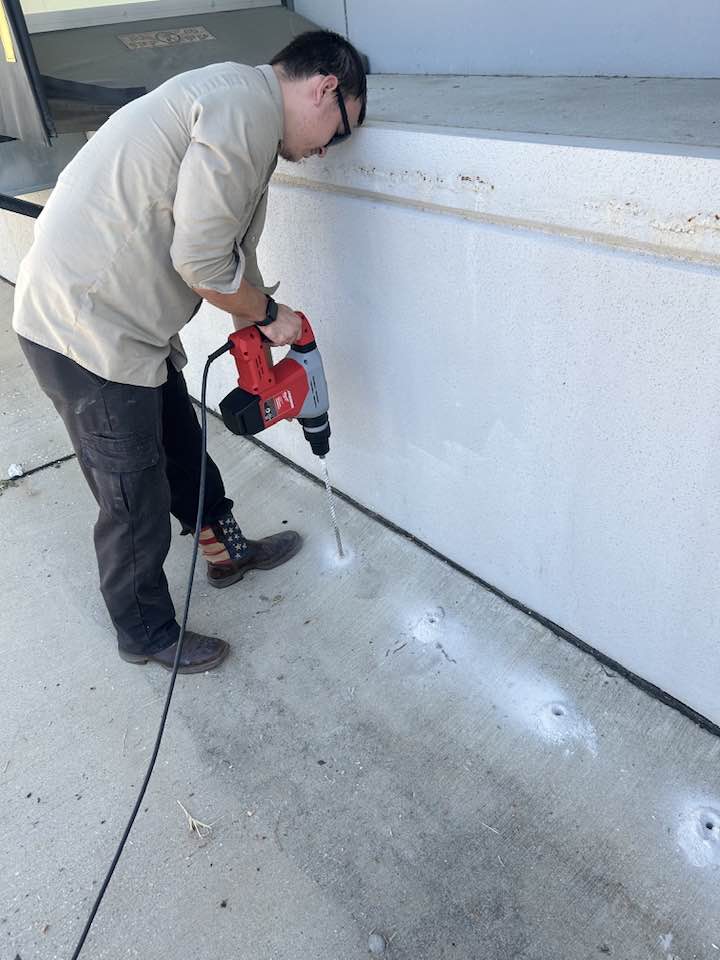
Drilling and treating through concrete to stop subterranean termites at the foundation.
Questions, answered
Common House Spiders FAQ
Are the common spiders in my house dangerous?
Almost always no. Wolf, jumping, orb-weaver, and house spiders are non-venomous to people and bites are uncommon and minor. The two Texas spiders to watch for are the brown recluse (violin mark) and black widow (red hourglass) — common house spiders lack both of those markings.
Why do I keep seeing spiders even after I clear the webs?
Because spiders go where the insects are. If there's an insect food source around your lights, eaves, or garage, new spiders will keep moving in. Lasting control means treating the perimeter and reducing the insect prey, not just removing webs.
Get help with common house spiders: General Pest Control, General Pest Control

Texas-proud · Family-owned · Licensed
Got Common House Spiders? We solve it.
Definity Pest Services treats Common House Spiders for homes and businesses across the DFW Metroplex — licensed, insured, and guaranteed.
Get your free quote
Tell us what you're seeing. Johnny Lockridge or a Definity tech will call you back fast — usually same day.
Prefer to talk now? Call 469-471-6798.
- Free, no-pressure estimate
- Licensed & insured Texas operator
- Commercial & residential