
 Definity Pest Services · DFW
Silverfish (Lepisma saccharina) are wingless, silvery, teardrop-shaped insects that thrive in humid, undisturbed areas — bathrooms, basements, attics, closets, and around stored paper. They feed on starches and cellulose, damaging books, wallpaper, cardboard, and fabrics. They're a nuisance rather than a health threat, and control centers on reducing humidity, removing harborage, and targeted treatment.
Quick reference
Identification
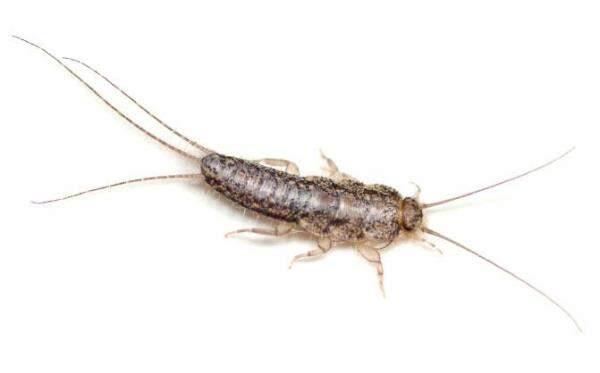
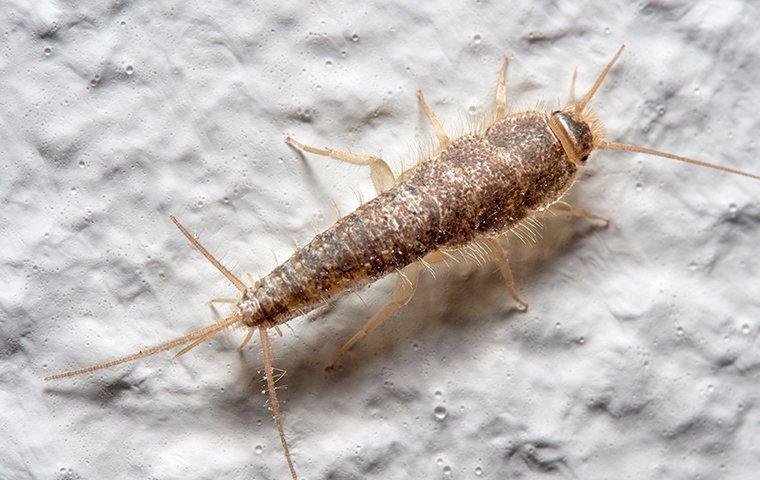
About 1/2 to 3/4 inch, silvery-gray, with a flattened carrot or teardrop shape that tapers toward the rear, long antennae, and three distinctive tail-like appendages at the back. They move with a quick, wriggling, fish-like motion and are most active at night. You'll often spot them in sinks and tubs (where they get trapped) or find yellowish stains, tiny scale-like specks, and feeding damage on paper and fabric.
Where it's found
- Bathrooms
- Basements
- Attics
- Closets
- Around stored paper and books
Risk level
- Damages paper, books, wallpaper, and fabrics
- Nuisance rather than a health threat
- Signals excess indoor humidity
Signs of activity
- Silvery insects trapped in sinks and tubs
- Yellowish stains and scale-like specks
- Irregular holes and etching on paper and fabric
How Definity treats it
- Apply targeted treatment and dust to cracks, voids, and harborage
- Treat bathrooms, attics, and storage areas where they shelter
- Advise lowering humidity with ventilation or a dehumidifier
- Recommend removing damp clutter and storing paper and fabrics in sealed bins
How to identify silverfish
About 1/2 to 3/4 inch, silvery-gray, with a flattened carrot or teardrop shape that tapers toward the rear, long antennae, and three distinctive tail-like appendages at the back. They move with a quick, wriggling, fish-like motion and are most active at night. You'll often spot them in sinks and tubs (where they get trapped) or find yellowish stains, tiny scale-like specks, and feeding damage on paper and fabric.
Behavior & biology
Silverfish need humidity and prefer warm, damp, dark places, which is why bathrooms, kitchens, basements, attics, and storage areas suit them. They feed slowly on carbohydrates and proteins — book bindings, paper, wallpaper paste, cardboard, dry goods, and natural fibers. They're long-lived and slow-developing for insects, and populations build quietly over time in undisturbed, humid clutter rather than exploding quickly.
Why silverfish matter
Silverfish don't bite, sting, or transmit disease, but they damage belongings: they leave irregular holes, notches, and surface etching on paper, books, photos, wallpaper, and cardboard, and can stain or feed on fabrics and stored dry goods. In storage areas, attics, and around bookshelves and important documents, that slow feeding adds up, and their presence signals excess indoor humidity worth addressing.
DIY vs. professional control
Surface sprays kill the silverfish you see but ignore the humidity and harborage driving the population, so they persist in voids and storage. Professional control combines targeted treatment and dusting of cracks, voids, and harborage with the real fix — reducing moisture and clutter. Addressing humidity and storing paper and fabrics in sealed containers does as much as any treatment.
How Definity treats silverfish
Definity controls silverfish with targeted treatment and dusting of cracks, voids, and harborage in bathrooms, attics, and storage areas, paired with guidance on lowering humidity and removing the damp clutter they live in. Johnny Lockridge notes that silverfish are really a humidity signal — run a dehumidifier, fix damp spots, and store paper and fabrics in sealed bins, and you take away the conditions they need to thrive.
Fast facts
- Silverfish feed on starches and cellulose — book bindings, paper, wallpaper paste, and cardboard — which is why they damage stored documents, photos, and books.
- A silverfish problem is usually a humidity signal; they need damp conditions, so reducing indoor moisture is one of the most effective ways to control them.
Visual ID
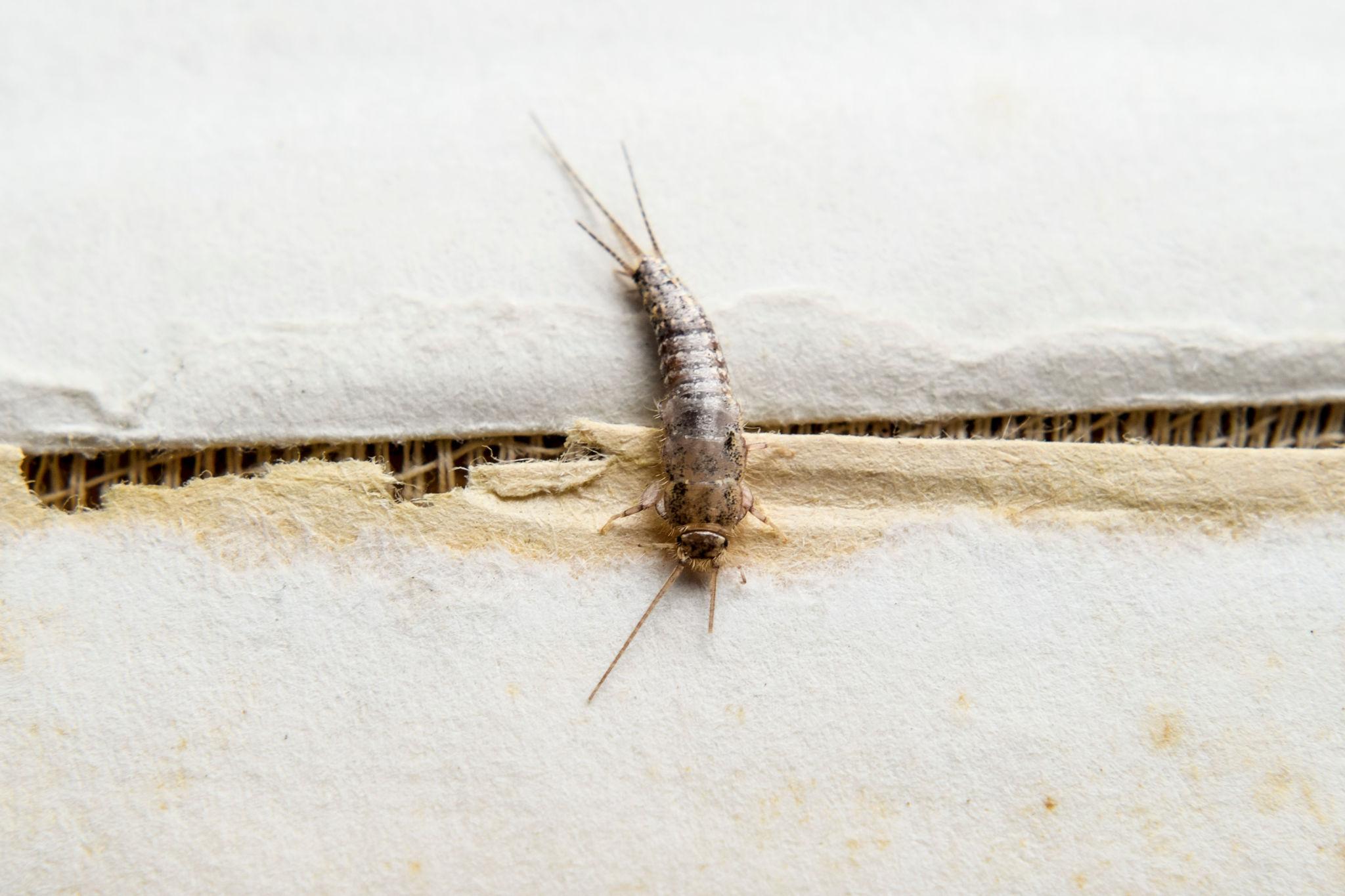
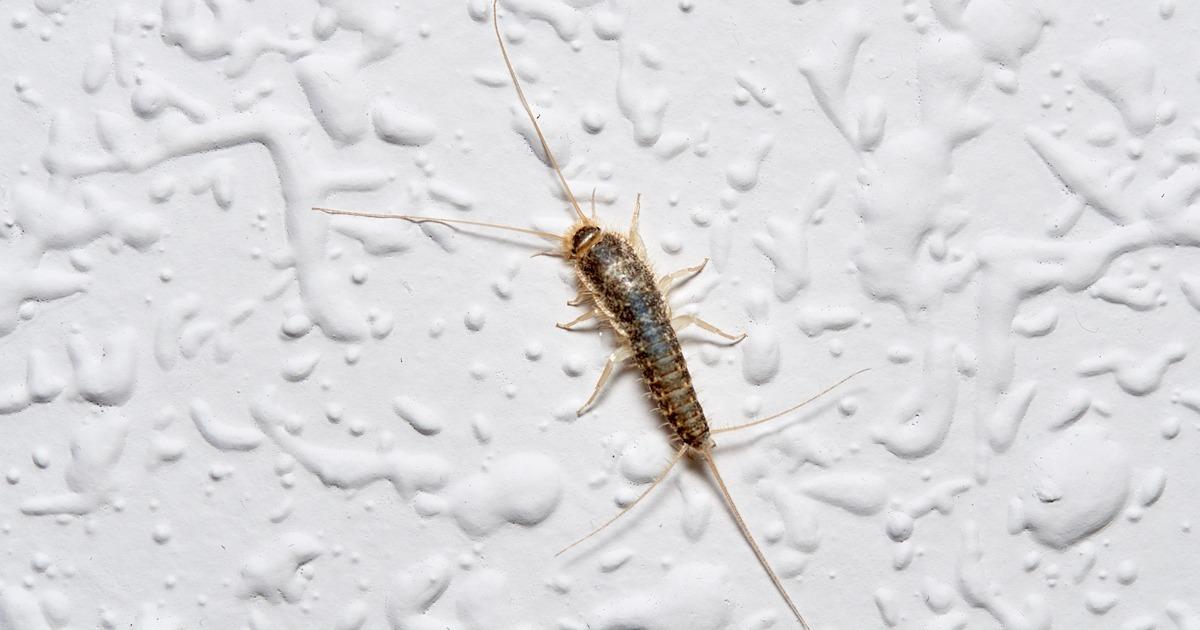
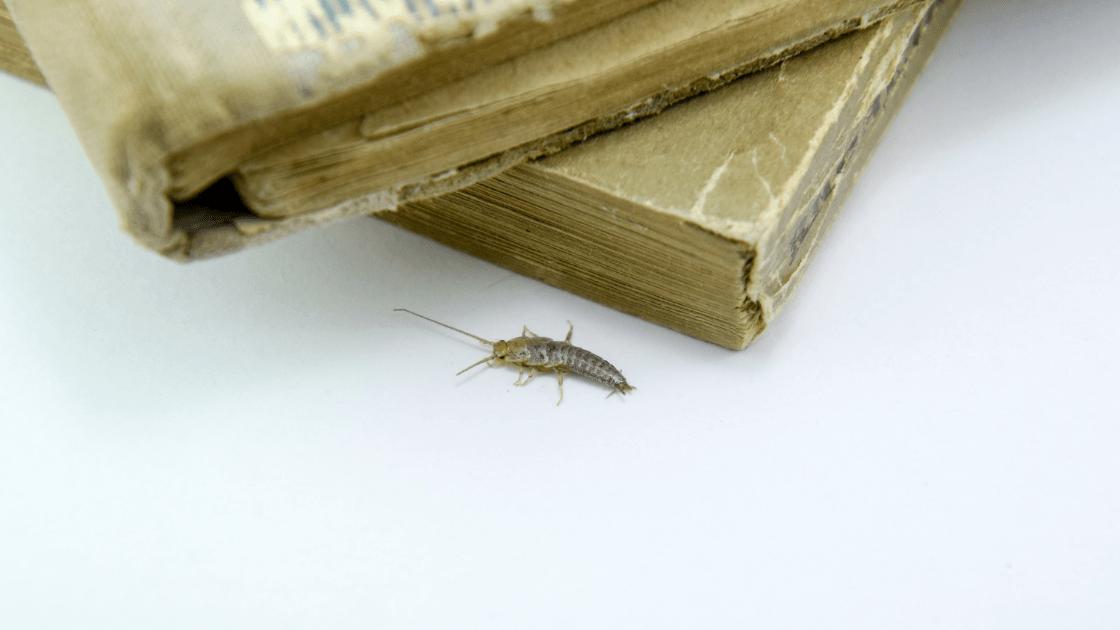
What silverfish look like
Real reference photos to help you identify silverfish before they become a bigger problem.
How we treat it
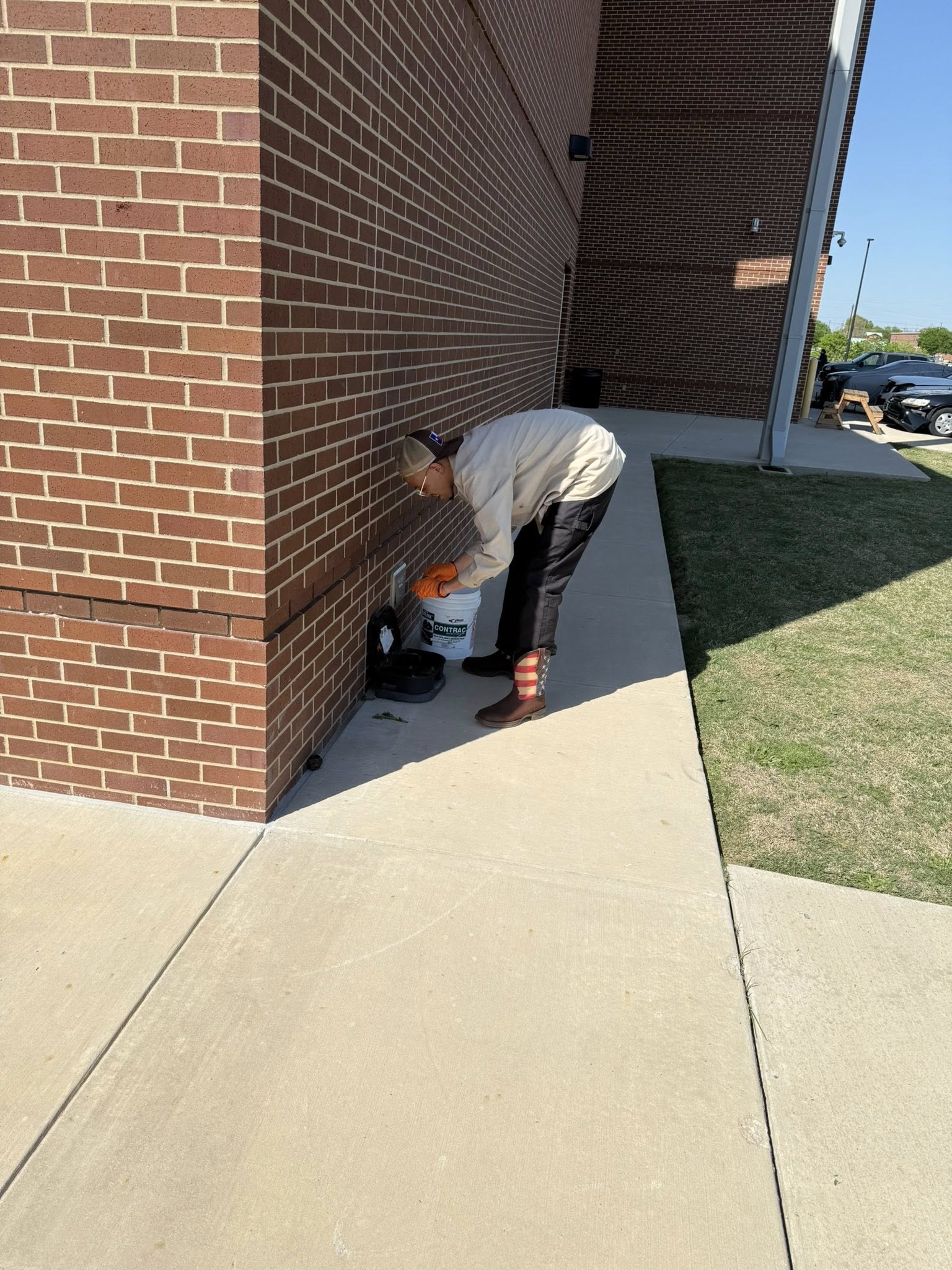
Perimeter Defense
Working the full perimeter to build a continuous protective barrier around the property.
Questions, answered
Silverfish FAQ
Are silverfish harmful to people?
No — silverfish don't bite, sting, or spread disease. They're a nuisance pest, but they can damage paper, books, wallpaper, and fabrics, and their presence usually points to an indoor humidity problem worth fixing.
How do I keep silverfish away?
Lower indoor humidity with ventilation or a dehumidifier, fix damp spots and leaks, reduce clutter, and store paper goods and fabrics in sealed containers. Removing moisture and harborage is the most effective long-term control.
Get help with silverfish: General Pest Control

Texas-proud · Family-owned · Licensed
Got Silverfish? We solve it.
Definity Pest Services treats Silverfish for homes and businesses across the DFW Metroplex — licensed, insured, and guaranteed.
Get your free quote
Tell us what you're seeing. Johnny Lockridge or a Definity tech will call you back fast — usually same day.
Prefer to talk now? Call 469-471-6798.
- Free, no-pressure estimate
- Licensed & insured Texas operator
- Commercial & residential