
 Definity Pest Services · DFW
Roof rats (Rattus rattus) are sleek, agile climbing rats that prefer to nest high — in attics, soffits, and upper wall voids — rather than at ground level. In DFW they travel along power lines, fences, and overhanging tree limbs to reach roofs and enter through gaps. They contaminate food, gnaw wiring, and breed quickly. Lasting control is exclusion-first: seal the roofline, then trap and remove.
Quick reference
Identification
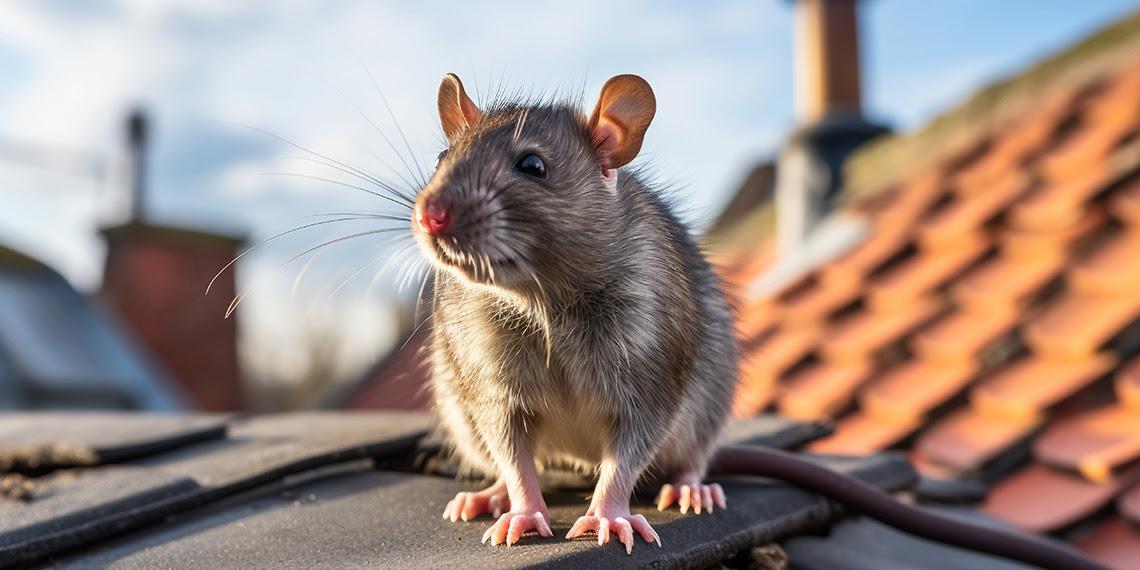
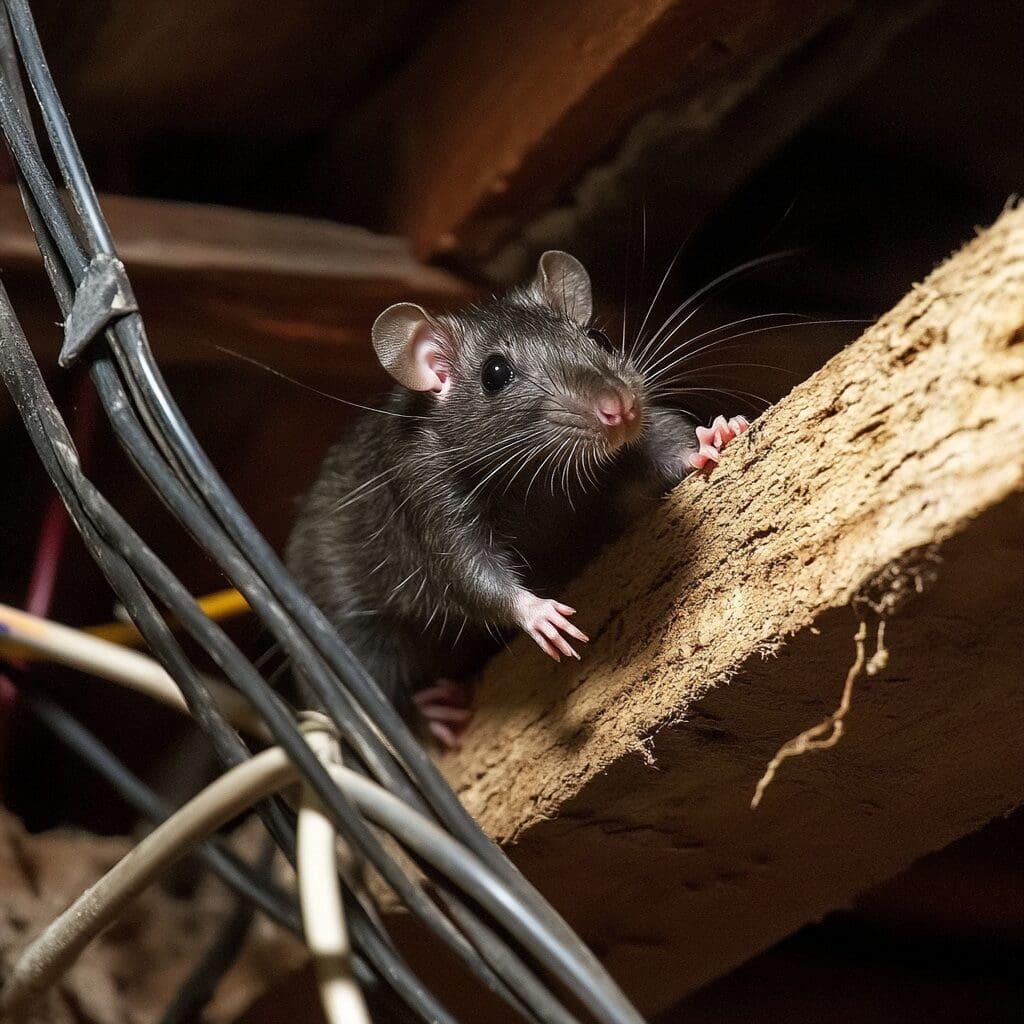
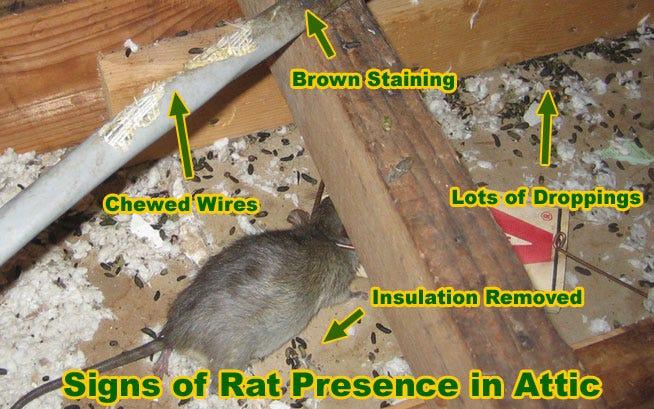
Slender and dark, with a body 6 to 8 inches plus a tail longer than the body, large ears, large eyes, and a pointed nose — lighter and more agile than the bulkier Norway rat. Signs include droppings in the attic, gnaw marks on roofline wood and wiring, greasy rub marks along beams and pipes, scratching and scurrying overhead at night, and nests in insulation.
Where it's found
- Attics
- Soffits
- Upper wall voids
- Trees and palm fronds
- Along utility lines and fence tops
Risk level
- Disease spread
- Electrical wire damage and fire risk
- Contaminates food and damages insulation
Signs of activity
- Droppings in the attic
- Gnaw marks on roofline wood and wiring
- Greasy rub marks along beams and pipes
- Scratching and scurrying overhead at night
How Definity treats it
- Inspect the roofline, soffits, and attic and seal entry points with rodent-proof materials
- Advise trimming tree limbs and access along utility lines
- Trap and remove the active population
- Clean and decontaminate nesting and droppings areas
How to identify roof rats
Slender and dark, with a body 6 to 8 inches plus a tail longer than the body, large ears, large eyes, and a pointed nose — lighter and more agile than the bulkier Norway rat. Signs include droppings in the attic, gnaw marks on roofline wood and wiring, greasy rub marks along beams and pipes, scratching and scurrying overhead at night, and nests in insulation.
Behavior & biology
Roof rats are excellent climbers that favor elevated nesting and travel routes — rafters, attics, palm and citrus trees, utility lines, and fence tops. They breed year-round in mild Texas conditions, producing several litters a year, so a small intrusion grows quickly. They forage at night within a relatively short range of the nest, exploiting fruit trees, pet food, and unsecured garbage.
Why roof rats matter
Roof rats contaminate stored food and surfaces with droppings and urine, gnaw structural wood and — critically — electrical wiring in attics, creating a recognized fire risk. They damage insulation and ductwork while nesting and can carry pathogens and parasites. Because they nest overhead, the damage often accumulates unseen until droppings, odor, or chewed wiring reveal them.
DIY vs. professional control
Setting a few traps doesn't address how rats are reaching the roof and where they're getting in, so the population rebounds. Roof rats also exploit routes — tree limbs, utility lines, roofline gaps — that homeowners overlook. Professional control identifies and seals every entry point along the roofline, trims access routes, then traps and removes the active population and cleans contamination.
How Definity treats roof rats
Definity solves roof rat problems by inspecting the roofline, soffits, and attic for entry points and sealing them with rodent-proof materials, advising on tree-limb and utility-line access, then trapping out the active population and cleaning contaminated areas. Johnny Lockridge stresses that with roof rats the work is up high — close the roofline and cut the overhead highways, or they'll keep coming back no matter how many you trap.
Fast facts
- Roof rats are agile climbers that prefer to nest high in attics, soffits, and trees, and they routinely use power lines, fence tops, and overhanging branches as highways to the roof.
- Rats gnawing on attic wiring are a recognized cause of electrical fires, which is one reason roof rat infestations shouldn't be left unaddressed.
Visual ID
What roof rats look like
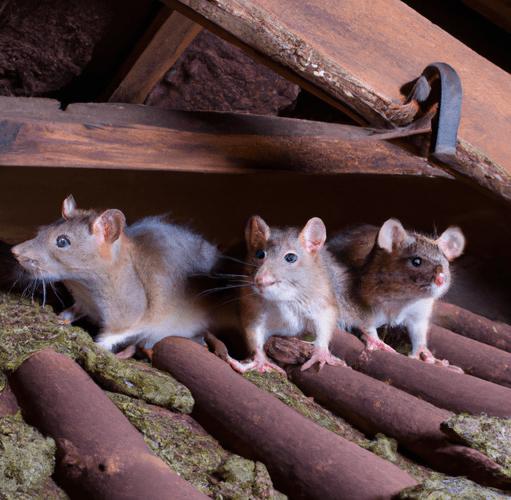
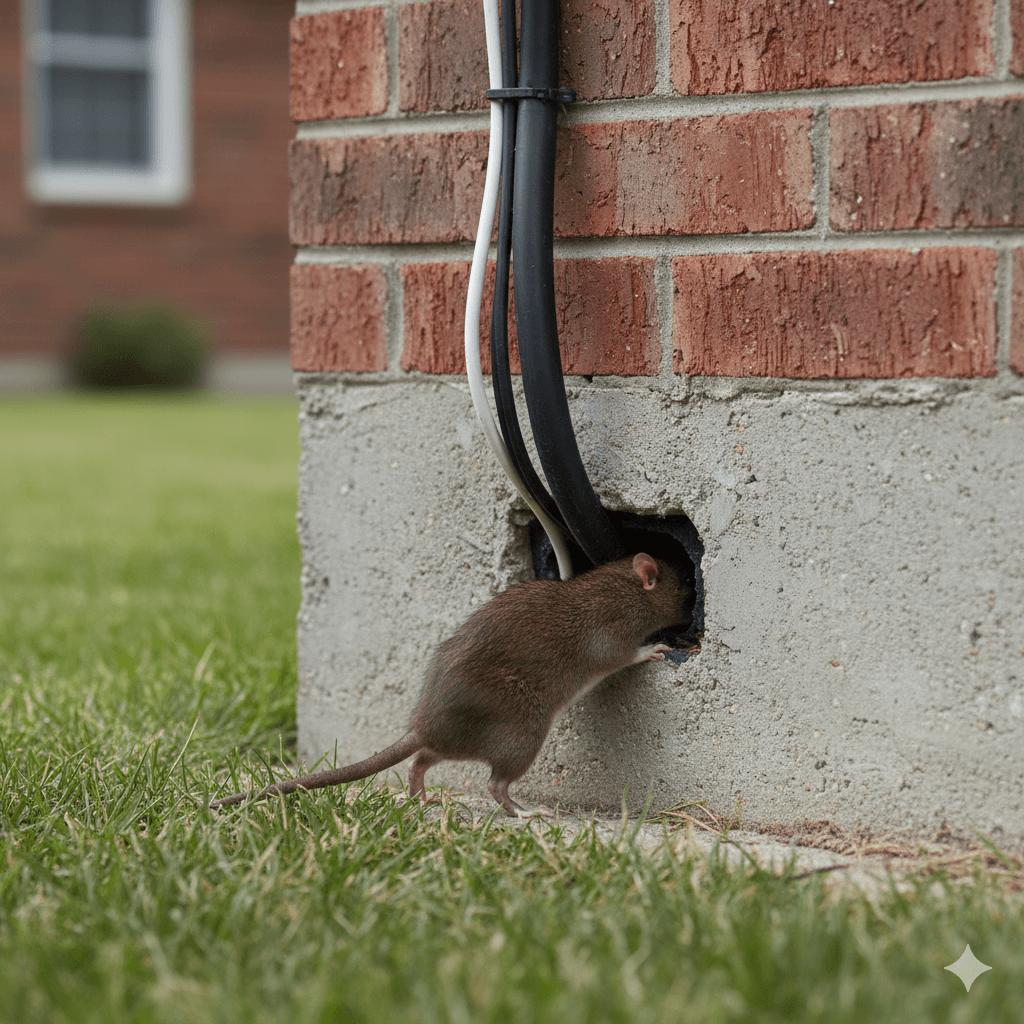
Real reference photos to help you identify roof rats before they become a bigger problem.


How we treat it
Thorough Inspection
No corner skipped. A detailed interior inspection to map every harborage area before treatment begins.
Questions, answered
Roof Rats FAQ
How are roof rats getting into my attic?
They climb. Overhanging tree limbs, utility lines, and fences give them access to the roof, where they exploit gaps at the soffit, roofline, vents, and pipe penetrations. Sealing those gaps and trimming access routes is the core of the fix.
What's the difference between roof rats and Norway rats?
Roof rats are slender, dark, and climb to nest high (attics, trees), with a tail longer than the body. Norway rats are bulkier, burrow at ground level, and have a shorter tail. The control approach differs, so correct ID matters.
Get help with roof rats: General Pest Control, General Pest Control

Texas-proud · Family-owned · Licensed
Got Roof Rats? We solve it.
Definity Pest Services treats Roof Rats for homes and businesses across the DFW Metroplex — licensed, insured, and guaranteed.
Get your free quote
Tell us what you're seeing. Johnny Lockridge or a Definity tech will call you back fast — usually same day.
Prefer to talk now? Call 469-471-6798.
- Free, no-pressure estimate
- Licensed & insured Texas operator
- Commercial & residential