

 Definity Pest Services · DFW
House mice (Mus musculus) are small gray-brown rodents that enter homes through gaps as small as a quarter-inch, nest in walls and attics, and breed year-round. They contaminate food and surfaces, gnaw wiring, and multiply quickly. Lasting control depends on sealing entry points (exclusion), not just trapping or poison.
Quick reference
Identification
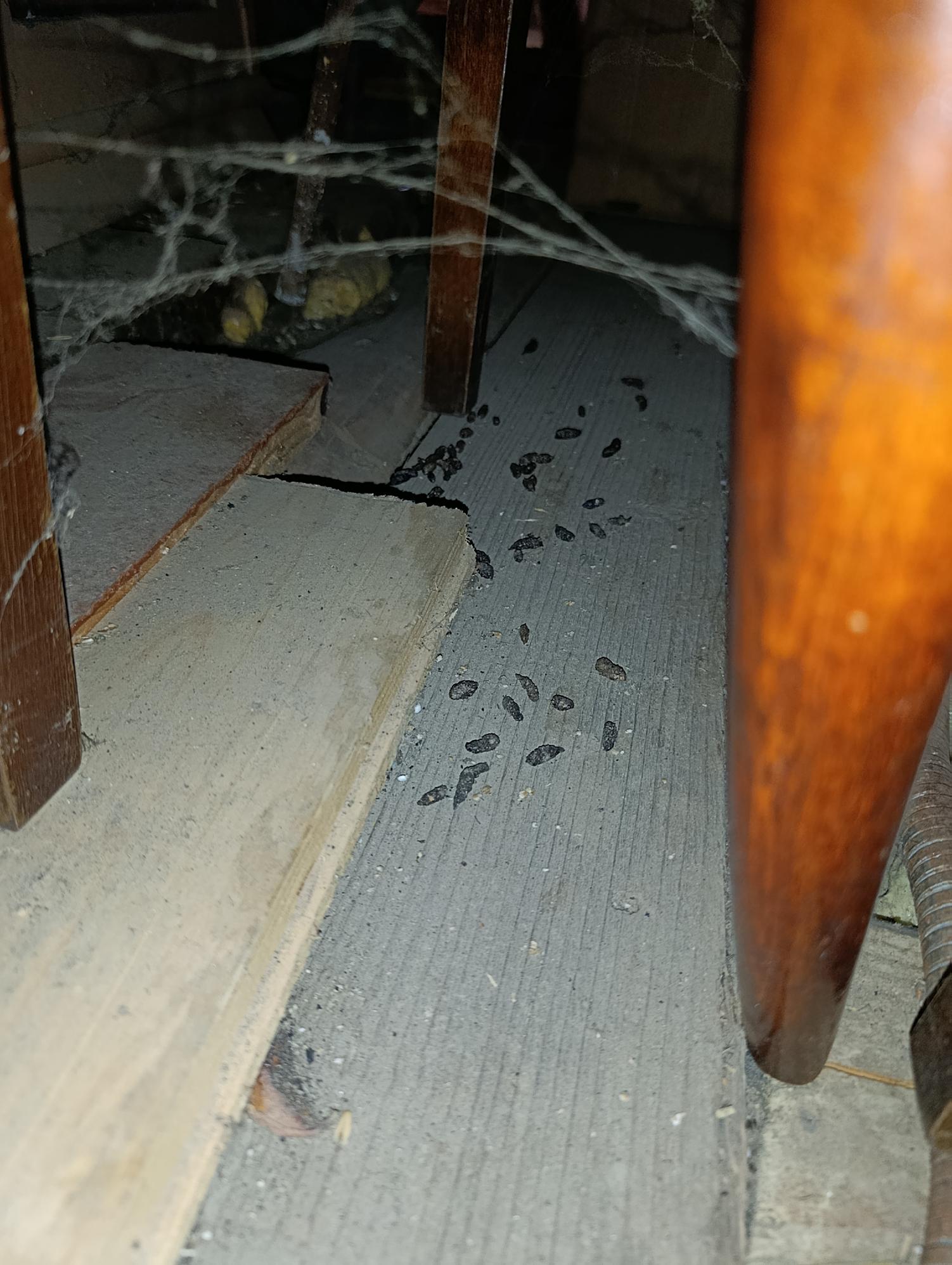
Small, 2.5–4 inches in body with a tail nearly as long, gray to light brown, with large ears and pointed nose. You'll usually notice the signs first: rice-grain-sized dark droppings, gnaw marks, scratching in walls or ceilings at night, and a faint musky odor.
Where it's found
- Attics
- Garages
- Restaurants
- Warehouses
- Wall voids near food and warmth
Risk level
- Disease spread
- Electrical wire damage and fire risk
- Property and food contamination
Signs of activity
- Rice-grain-sized droppings
- Gnaw marks
- Scratching sounds in walls and ceilings at night
- Faint musky odor
How Definity treats it
- Seal entry points with rodent-proof exclusion materials first
- Set traps to remove the active population
- Clean and decontaminate droppings and nesting areas
- Verify entry points stay sealed so the problem doesn't return
How to identify house mice
Small, 2.5–4 inches in body with a tail nearly as long, gray to light brown, with large ears and pointed nose. You'll usually notice the signs first: rice-grain-sized dark droppings, gnaw marks, scratching in walls or ceilings at night, and a faint musky odor.
Behavior & biology
A female house mouse can produce a new litter roughly every three weeks and breeds all year indoors, so a few mice become an infestation fast. They're curious and constantly explore, nest near food and warmth, and need very little — they can enter through a gap the width of a pencil and survive on crumbs.
Why house mice matter
Mice contaminate far more food than they eat with urine and droppings, spread bacteria across kitchen surfaces, and gnaw constantly — including on electrical wiring, where they're a recognized house-fire risk. Their droppings and dander can also trigger allergies and asthma.
DIY vs. professional control
Snap traps and poison reduce numbers but never address how the mice are getting in, so the problem returns. Poison can also leave mice to die inside walls. Professional control is exclusion-first: find and seal every entry point, then trap and remove the active population and clean up contamination.
How Definity treats house mice
Definity solves mouse problems by sealing entry points with rodent-proof materials first, then trapping and removing the active population and cleaning contaminated areas. The exclusion work is the part that lasts — without it, you're just managing a recurring problem instead of ending it.
Fast facts
- A house mouse can squeeze through a gap about the width of a pencil — roughly a quarter inch — so even a well-kept home offers entry points.
- Rodents gnawing on wiring are cited as a contributing cause in a significant share of structure fires of undetermined electrical origin.
Visual ID
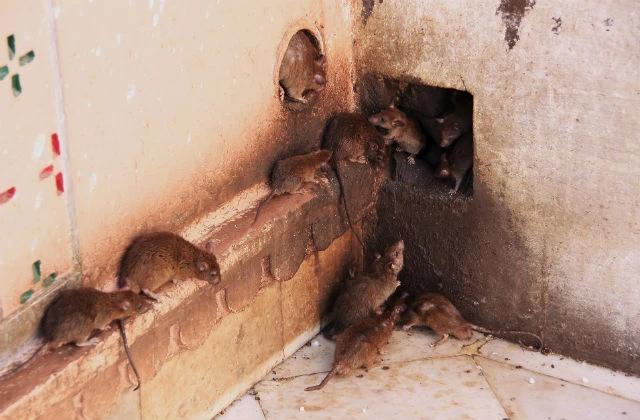
What house mice look like
Real reference photos to help you identify house mice before they become a bigger problem.



How we treat it
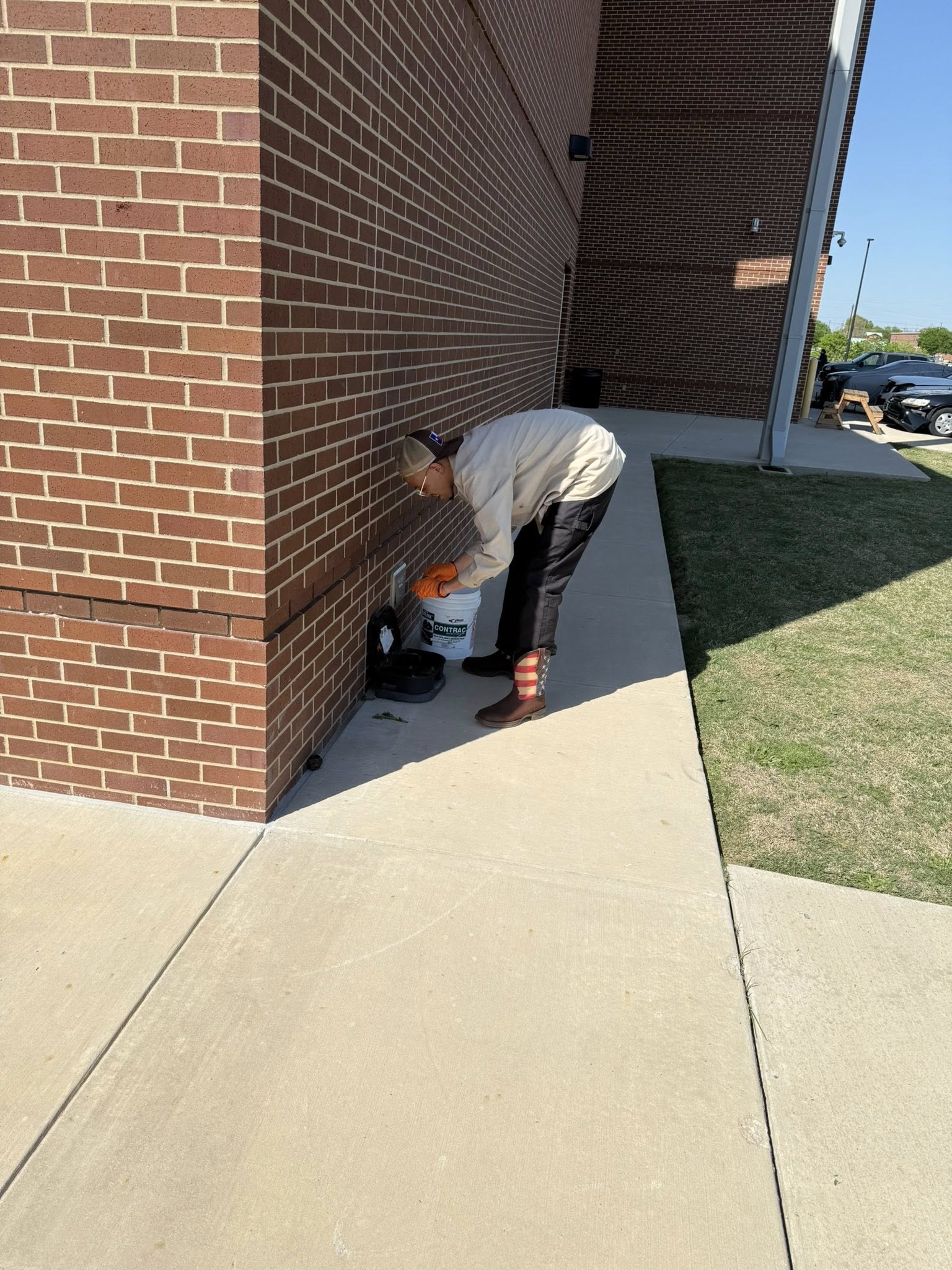
Perimeter Defense
Working the full perimeter to build a continuous protective barrier around the property.
Questions, answered
House Mice FAQ
I only see one mouse — do I really have an infestation?
Often yes. House mice breed year-round and stay hidden, so a single visible mouse usually means more are nesting out of sight. It's worth inspecting for entry points and droppings.
Is poison or trapping better for mice?
Neither alone solves it. Poison can leave mice to die in walls, and trapping doesn't stop new ones from entering. Sealing the entry points (exclusion) combined with trapping is what actually ends the problem.
Get help with house mice: General Pest Control

Texas-proud · Family-owned · Licensed
Got House Mice? We solve it.
Definity Pest Services treats House Mice for homes and businesses across the DFW Metroplex — licensed, insured, and guaranteed.
Get your free quote
Tell us what you're seeing. Johnny Lockridge or a Definity tech will call you back fast — usually same day.
Prefer to talk now? Call 469-471-6798.
- Free, no-pressure estimate
- Licensed & insured Texas operator
- Commercial & residential