
 Definity Pest Services · DFW
The cat flea (Ctenocephalides felis) is the flea behind nearly all dog and cat infestations in Texas — and it bites people too. The adults you see on pets are only a fraction of the problem; most of the population is eggs, larvae, and pupae hidden in carpet, bedding, and yard soil. Effective control treats the home and yard, breaks the life cycle with growth regulators, and pairs with veterinary pet treatment.
Quick reference
Identification
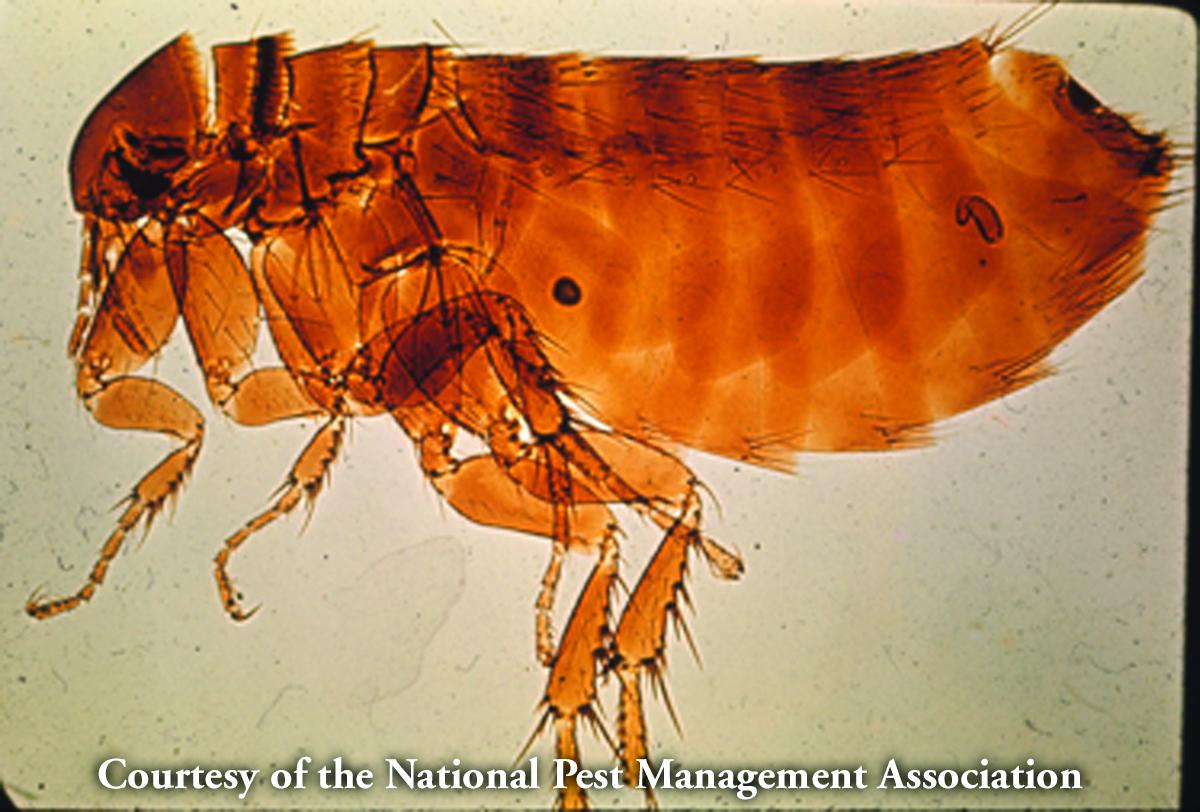
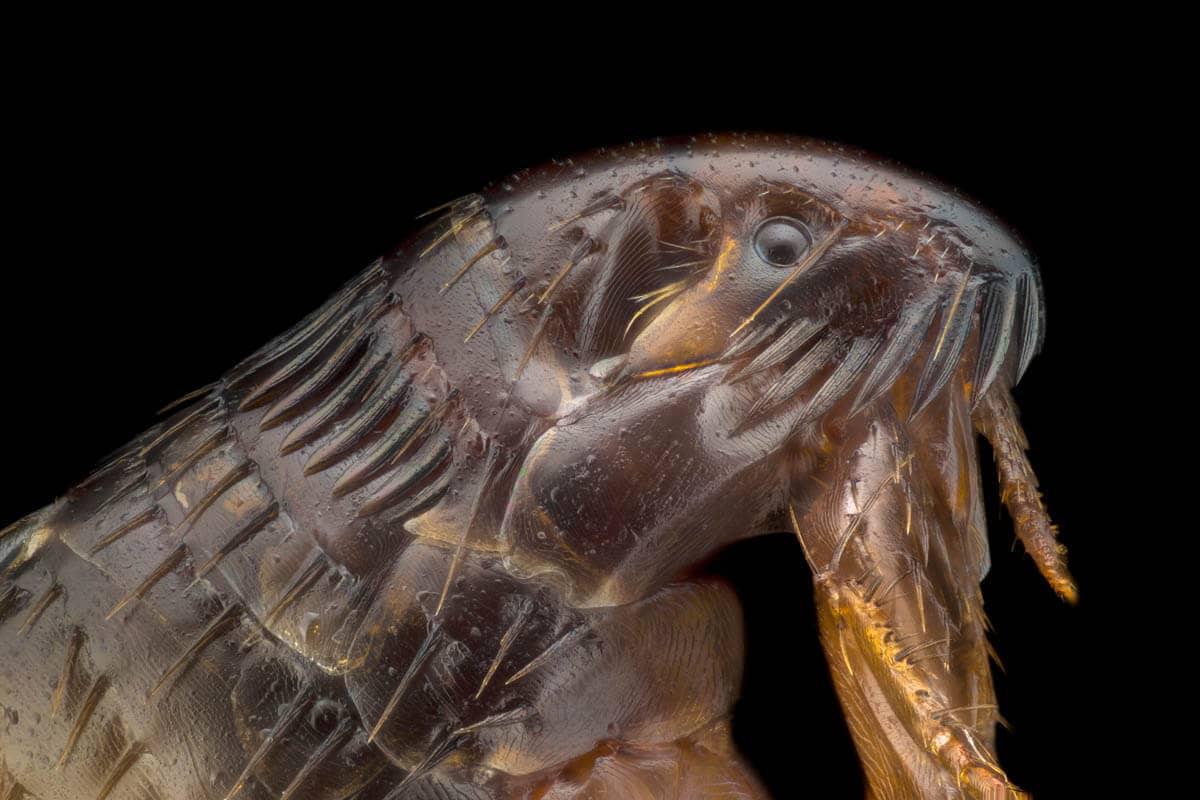
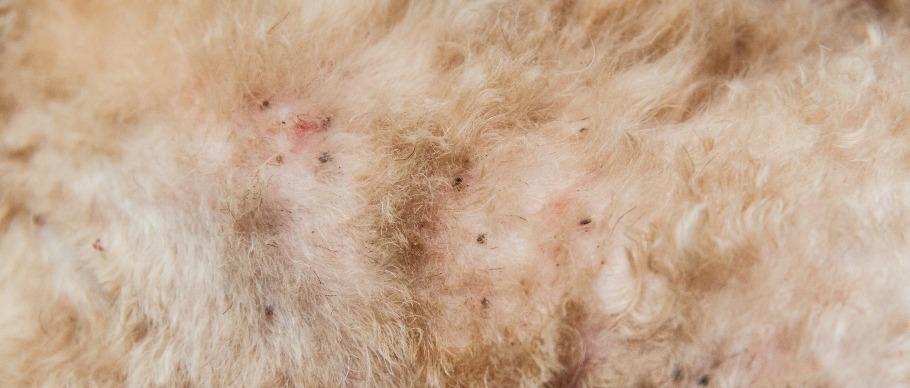
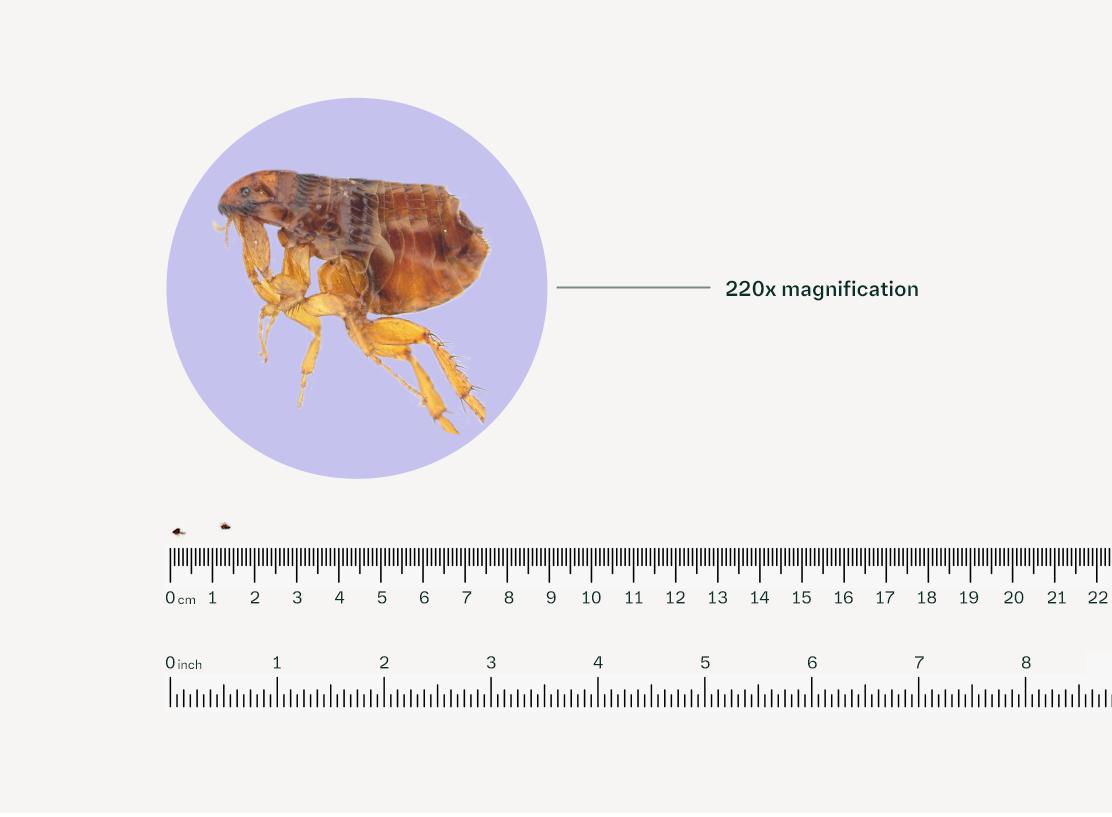
Tiny, about 1/8 inch, dark reddish-brown, wingless, with a flattened body built to move through fur and powerful legs for jumping. You'll usually notice pets scratching, small fast-moving specks in fur, and 'flea dirt' — black pepper-like droppings that turn rusty red when wetted. People often get itchy bites clustered around the ankles and lower legs.
Where it's found
- Pets
- Carpets
- Upholstery
- Pet bedding
- Shaded, moist yard areas where pets rest
Risk level
- Painful bites
- Can transmit tapeworms
- Heavy infestations affect pets
Signs of activity
- Excessive pet scratching
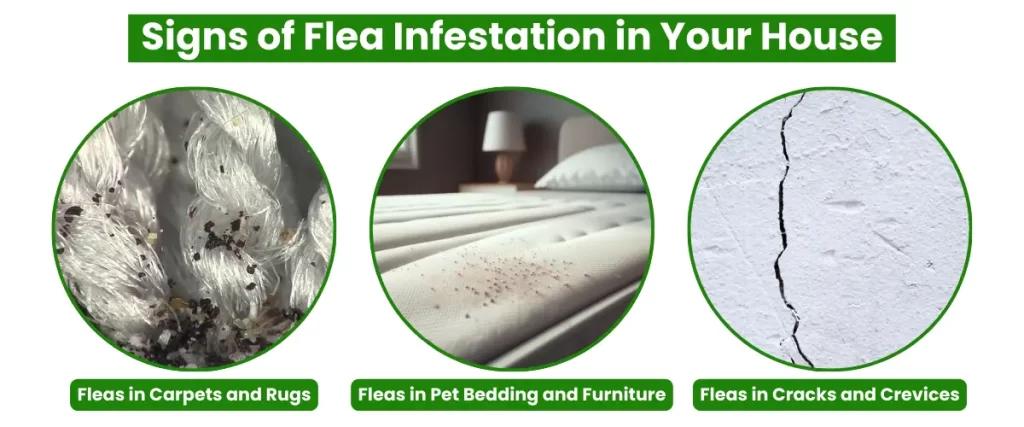
- Flea dirt (black pepper-like specks)
- Visible jumping insects
- Itchy bites around ankles and lower legs
How Definity treats it
- Treat indoor harborage and the yard with insect growth regulators to break the life cycle
- Time follow-up treatment for the protected pupal stage
- Coordinate with the homeowner's veterinary pet treatment
- Re-treat reseeding yard areas to stop the indoor population returning
How to identify fleas
Tiny, about 1/8 inch, dark reddish-brown, wingless, with a flattened body built to move through fur and powerful legs for jumping. You'll usually notice pets scratching, small fast-moving specks in fur, and 'flea dirt' — black pepper-like droppings that turn rusty red when wetted. People often get itchy bites clustered around the ankles and lower legs.
Behavior & biology
Adult fleas feed and lay eggs on the host; the eggs fall off into carpet, bedding, and yard soil where they hatch into larvae, then spin pupae. The pupal stage is protected and can lie dormant for weeks, emerging when it senses a host's warmth and vibration — which is why infestations seem to 'reappear' after a quiet spell. By population, only a small share are the adults on the pet; the rest are immature stages waiting in the environment.
Why fleas matter
Flea bites cause itching and, in many pets, flea-allergy dermatitis that leads to scratching, hair loss, and skin infection. Heavy infestations can cause anemia in young or small animals, and fleas can transmit tapeworm and other pathogens. For people, bites are itchy and concentrated around the ankles. The hidden immature population makes infestations persistent and frustrating without a coordinated approach.
DIY vs. professional control
A single carpet spray or a flea collar alone rarely wins, because it misses the eggs, larvae, and protected pupae throughout the home and yard. Professional control treats indoor harborage and the yard, uses insect growth regulators to stop eggs and larvae from maturing, times follow-up for emerging pupae, and coordinates with vet-prescribed pet treatment so every stage is hit.
How Definity treats fleas
Definity controls fleas by treating indoor harborage and the yard with products that include insect growth regulators to break the life cycle, timing follow-up for the protected pupal stage, and coordinating with the homeowner's veterinary pet treatment. Johnny Lockridge reminds customers that the fleas on the pet are the tip of the iceberg — treat the carpet, bedding, and yard where the eggs and larvae live, or the problem just comes back.
Fast facts
- Only a small fraction of a flea infestation is the adult fleas on the pet; the majority are eggs, larvae, and pupae hidden in carpet, bedding, and yard soil.
- Flea pupae are protected in a cocoon and can stay dormant for weeks, then emerge when they sense a host's warmth and movement — which is why infestations seem to come back after they appeared gone.
Visual ID
What fleas look like
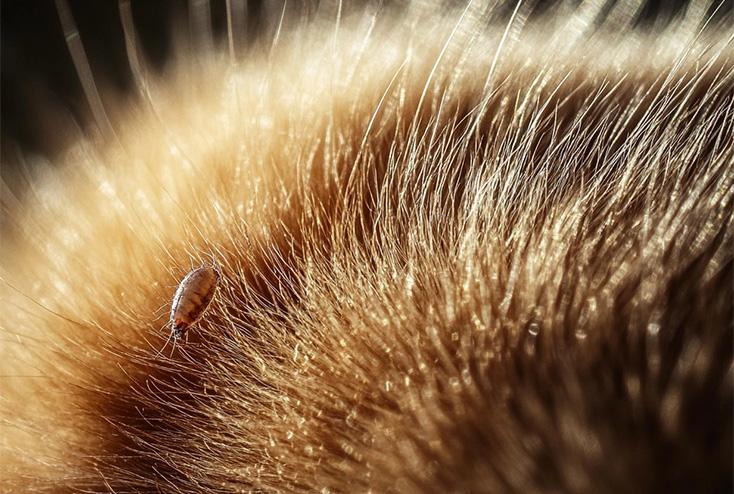
Real reference photos to help you identify fleas before they become a bigger problem.
How we treat it
Commercial Inspection
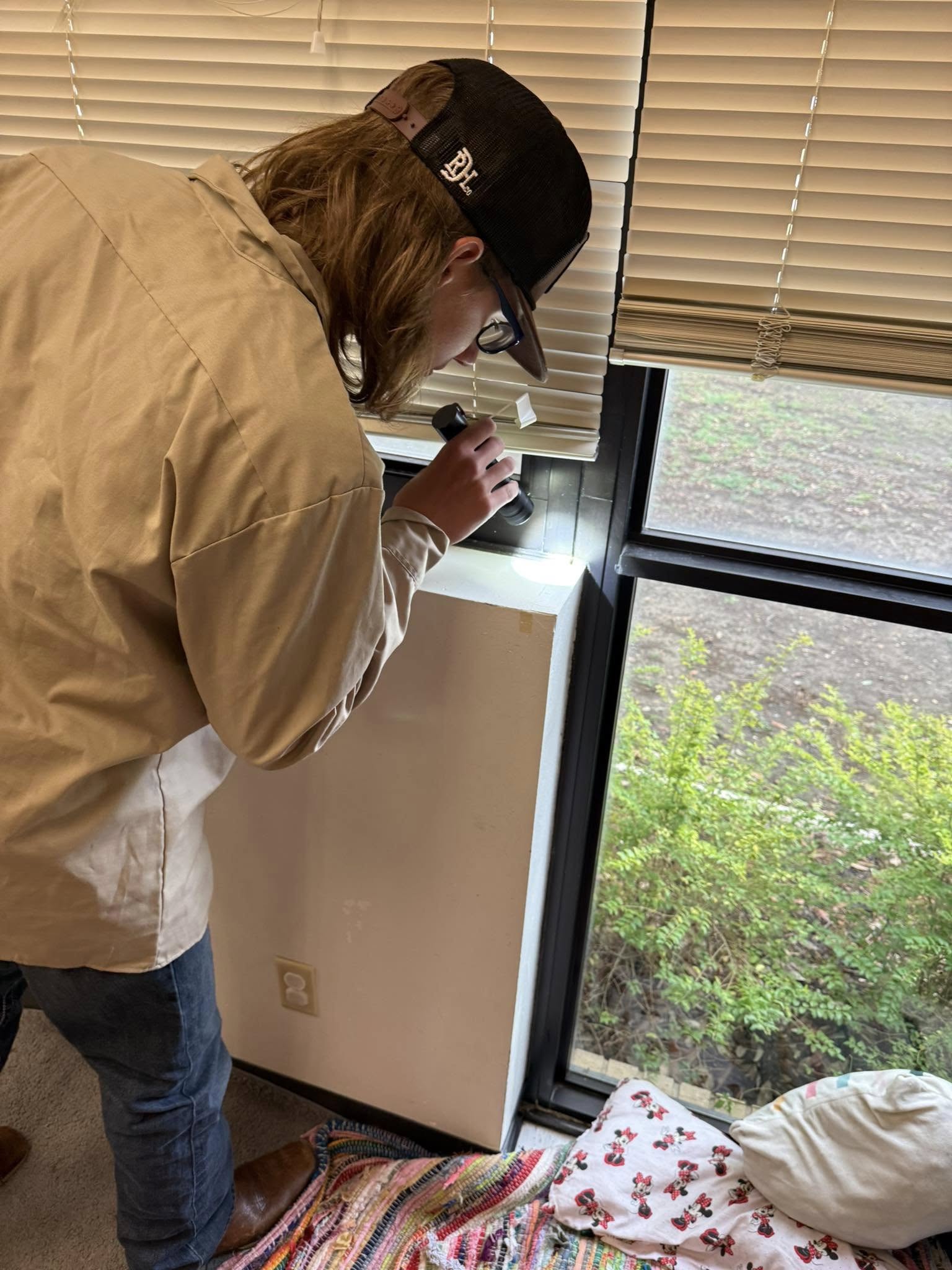
A careful, audit-ready inspection inside a commercial facility — protecting our client's reputation and compliance.
Questions, answered
Fleas FAQ
Why do fleas keep coming back after I treat my pet?
Because most of the population lives off the pet — as eggs, larvae, and dormant pupae in carpet, bedding, and the yard. Treating only the pet leaves those stages to mature. You have to treat the environment and break the life cycle too.
Do I need to treat my yard for fleas?
Often yes. Shaded, moist areas where pets rest outdoors harbor flea eggs and larvae, continually reseeding the indoor population. Treating those yard areas along with the home gives lasting results.
Get help with fleas: General Pest Control

Texas-proud · Family-owned · Licensed
Got Fleas? We solve it.
Definity Pest Services treats Fleas for homes and businesses across the DFW Metroplex — licensed, insured, and guaranteed.
Get your free quote
Tell us what you're seeing. Johnny Lockridge or a Definity tech will call you back fast — usually same day.
Prefer to talk now? Call 469-471-6798.
- Free, no-pressure estimate
- Licensed & insured Texas operator
- Commercial & residential