
 Definity Pest Services · DFW
Crickets (family Gryllidae) are nocturnal, chirping insects that gather around exterior lighting on warm nights and push indoors into garages, basements, and utility rooms. Indoors they can damage fabrics, paper, and stored materials, and large numbers — especially seasonal field-cricket surges — become a noisy nuisance. Control combines an exterior barrier, exclusion, harborage reduction, and cutting back the exterior lighting that draws them in.
Quick reference
Identification
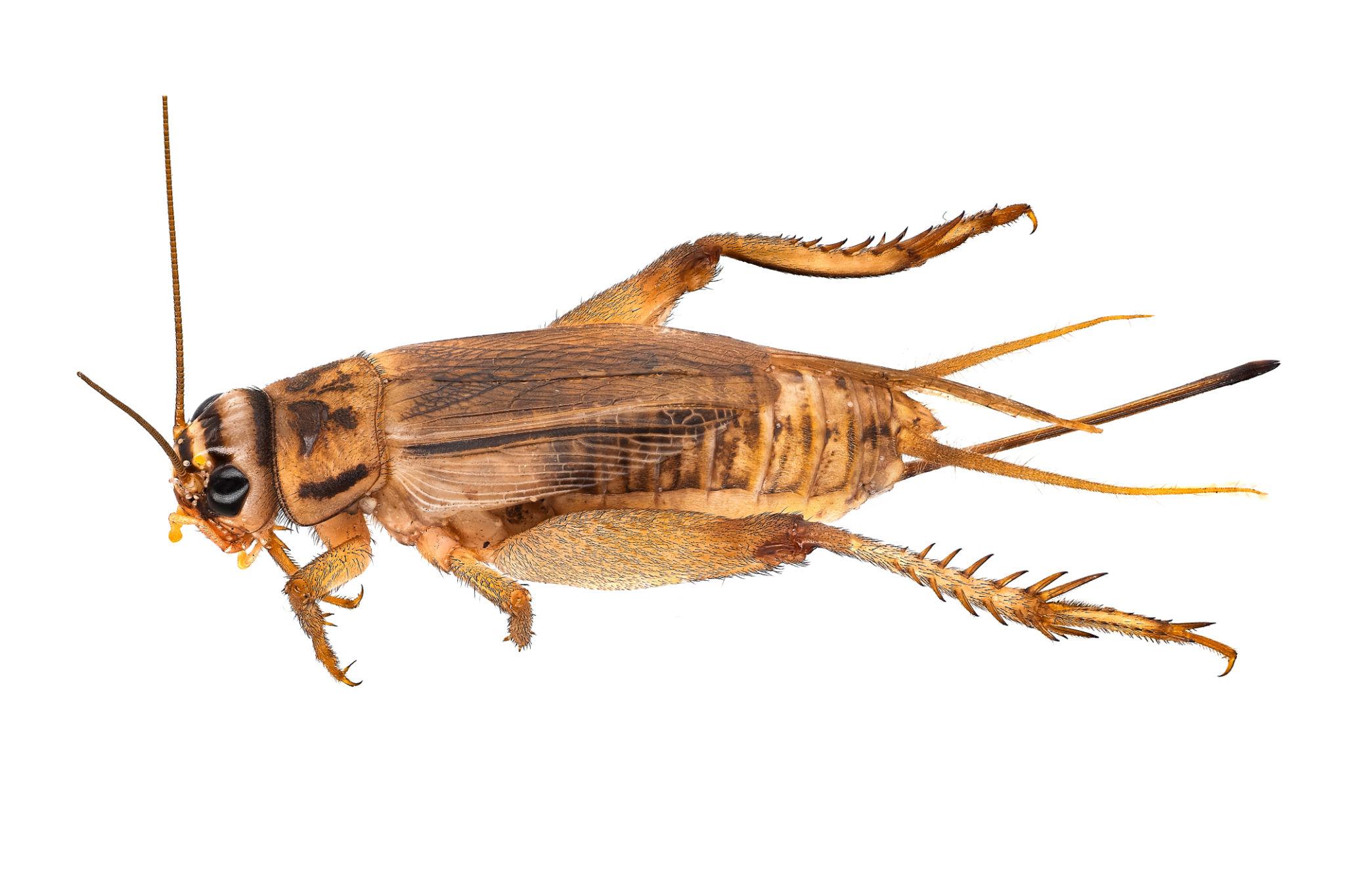
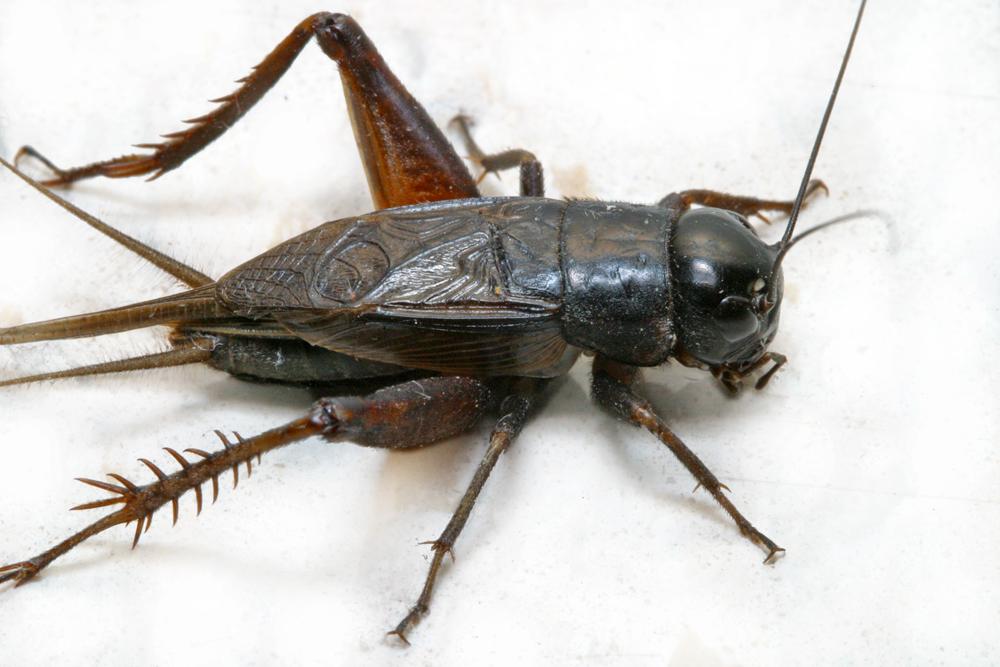
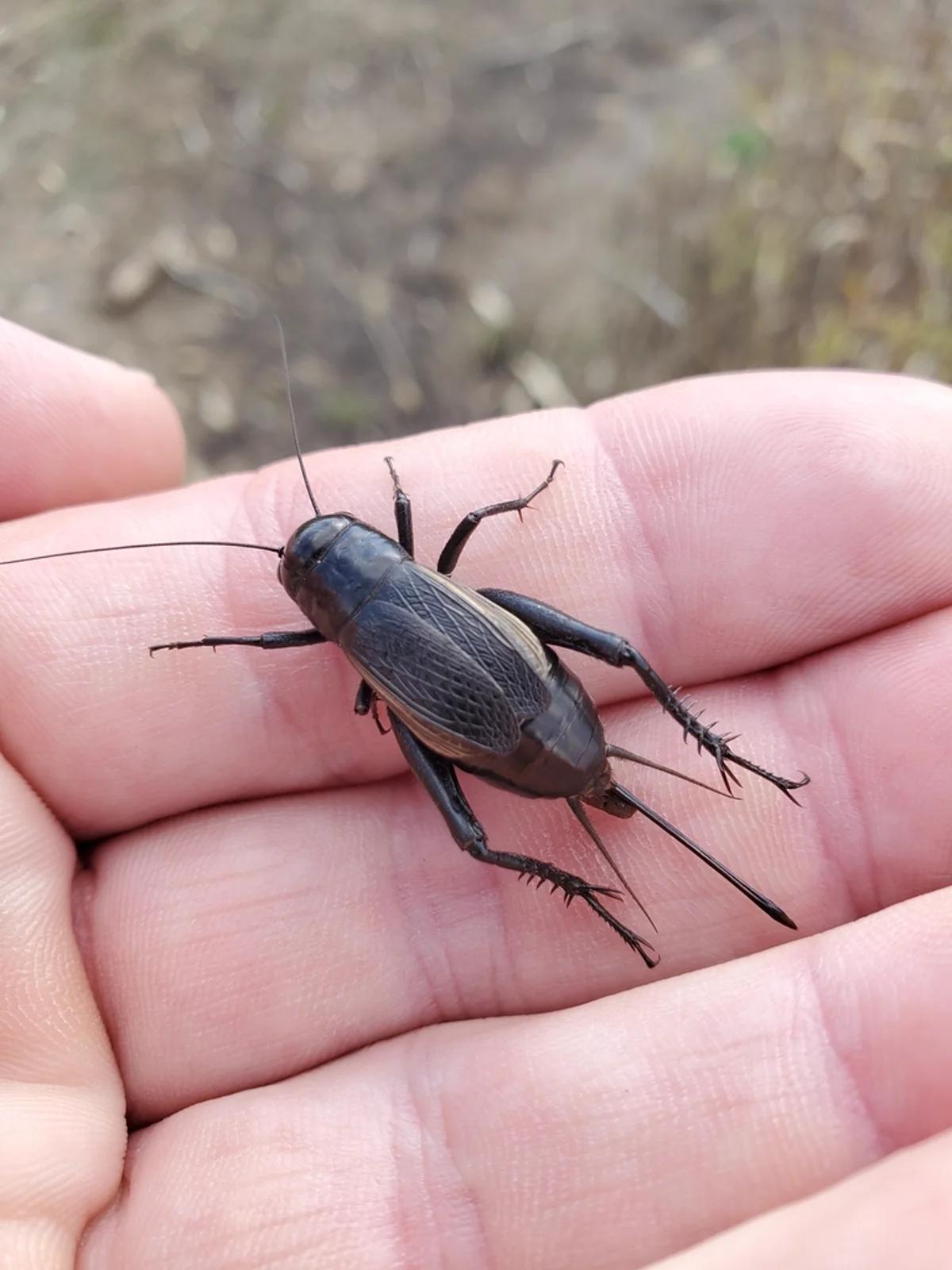
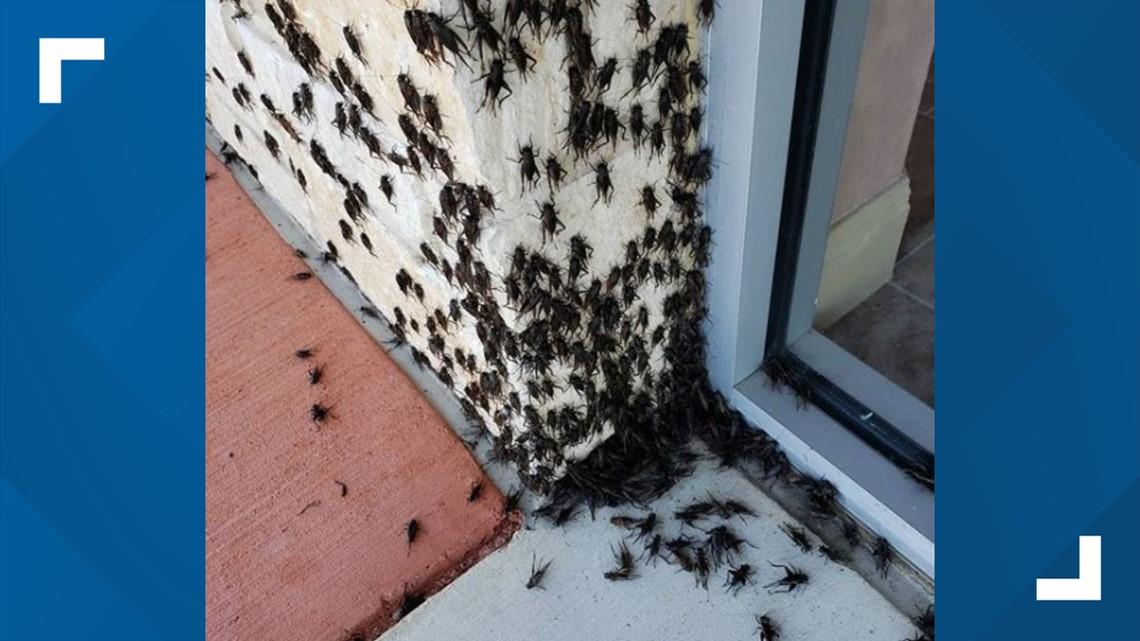
Crickets are about 3/4 to 1 inch, brown to black, with long antennae, powerful back legs built for jumping, and wings the males rub together to produce the familiar nighttime chirping. They're most active at night and are strongly attracted to light, so you'll find them congregating near porch lights, doorways, and lit windows, then turning up in garages, basements, and utility rooms. The persistent chirping indoors is often the first thing people notice.
Where it's found
- Garages
- Basements
- Utility rooms
- Around exterior lighting and doorways
- Mulch and debris against the foundation
Risk level
- Damages fabrics, paper, and stored materials
- Disruptive nighttime chirping indoors
- Seasonal surges become a heavy nuisance
Signs of activity
- Persistent chirping indoors at night
- Crickets congregating around exterior lights and doorways
- Crickets and feeding damage in garages, basements, and utility rooms
How Definity treats it
- Apply an exterior barrier treatment around the foundation
- Seal door and foundation gaps to exclude crickets wandering in
- Reduce harborage — clear mulch, debris, and ground cover against the structure
- Reduce or change bright exterior lighting that draws them to the building
How to identify crickets
Crickets are about 3/4 to 1 inch, brown to black, with long antennae, powerful back legs built for jumping, and wings the males rub together to produce the familiar nighttime chirping. They're most active at night and are strongly attracted to light, so you'll find them congregating near porch lights, doorways, and lit windows, then turning up in garages, basements, and utility rooms. The persistent chirping indoors is often the first thing people notice.
Behavior & biology
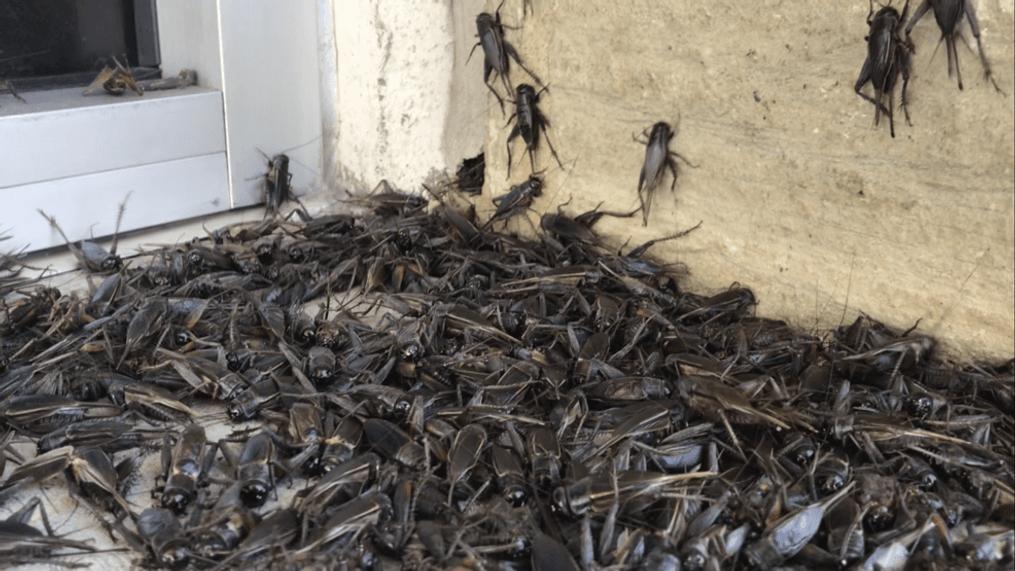
Most nuisance crickets live and breed outdoors in grass, mulch, debris, and ground harborage, feeding on plant matter and organic material. They surge seasonally — warm, late-summer conditions can produce large numbers of field crickets that swarm toward bright exterior lighting at night. From those lit gathering spots they wander indoors through gaps under doors and around the foundation, ending up in the cool, sheltered spots of a garage or basement rather than establishing deep indoor infestations.
Why crickets matter
Crickets are mainly a nuisance, but indoors they will feed on and damage fabrics, paper, cardboard, and stored materials, and large numbers can chew on natural fibers and stained or soiled cloth. Their constant nighttime chirping is disruptive inside a home, and a heavy seasonal surge around a business or building entrance leaves dead crickets, odor, and a poor impression. They don't bite people or pose a real health threat.
DIY vs. professional control
Squashing the crickets you see indoors does nothing about the outdoor population and the lighting and gaps that funnel them in, so they keep coming. Effective control works the exterior: a perimeter barrier treatment, sealing the entry gaps under doors and around the foundation, reducing harborage like mulch and debris near the structure, and addressing the bright exterior lighting that attracts them to the building in the first place.
How Definity treats crickets
Definity controls crickets with an exterior barrier treatment around the foundation, exclusion to seal the door and foundation gaps they wander through, and harborage reduction — clearing mulch, debris, and ground cover against the structure — paired with guidance to reduce or change bright exterior lighting that draws them in. Johnny Lockridge points out that crickets are an outside-in and a lighting problem: treat the perimeter, close the gaps, and dial back the lights they swarm, and you stop them before they reach the garage.
Fast facts
- Crickets are strongly attracted to bright exterior lighting, so reducing or changing porch and security lights is one of the most effective ways to keep them from gathering at a building.
- Most nuisance crickets breed outdoors in grass, mulch, and debris and wander indoors rather than establishing deep infestations, which is why exterior barrier and exclusion work is the core of control.
Visual ID
What crickets look like
Real reference photos to help you identify crickets before they become a bigger problem.
How we treat it
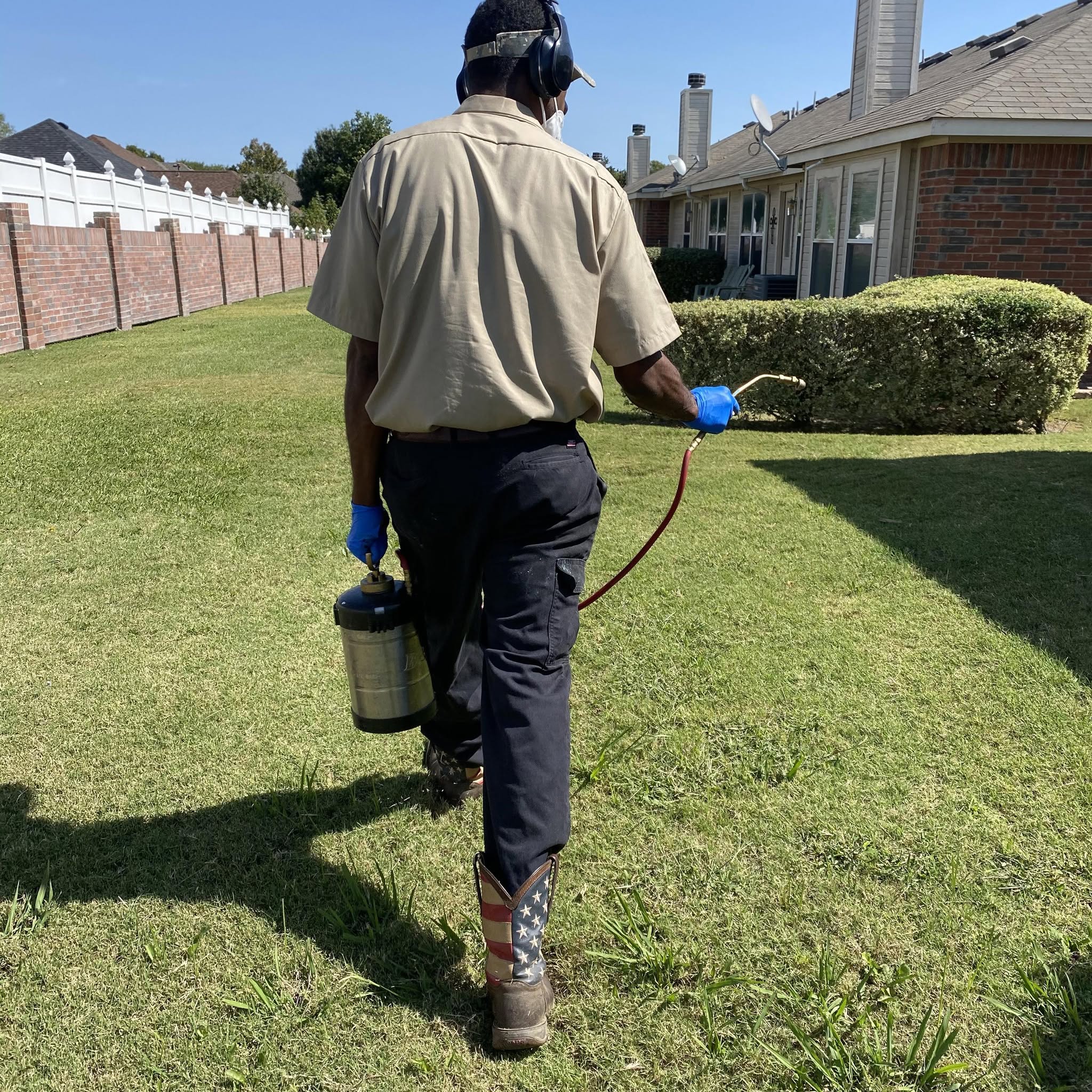
Targeted Application
A precise, targeted application right where pests harbor — effective and responsible.
Questions, answered
Crickets FAQ
Why are crickets getting into my garage and utility room?
They gather at bright exterior lights on warm nights, then wander indoors through gaps under doors and around the foundation, settling in cool, sheltered spots like garages and basements. Sealing those gaps and reducing the lighting that draws them is the core of the fix.
Are crickets harmful?
Not to people — they don't bite or spread disease. But indoors they can damage fabrics, paper, and stored materials, and their constant nighttime chirping and seasonal surges make them a real nuisance worth controlling.
Get help with crickets: General Pest Control, General Pest Control

Texas-proud · Family-owned · Licensed
Got Crickets? We solve it.
Definity Pest Services treats Crickets for homes and businesses across the DFW Metroplex — licensed, insured, and guaranteed.
Get your free quote
Tell us what you're seeing. Johnny Lockridge or a Definity tech will call you back fast — usually same day.
Prefer to talk now? Call 469-471-6798.
- Free, no-pressure estimate
- Licensed & insured Texas operator
- Commercial & residential