
 Definity Pest Services · DFW
Chiggers (family Trombiculidae) are the nearly invisible larvae of tiny mites that wait in tall grass, fields, and brushy, wooded areas and latch onto people and pets passing through. Their bites cause intense, lingering itch, usually clustered where clothing is snug — ankles, waistline, and behind the knees. They aren't a structural pest; control means treating the yard and vegetation, mowing, clearing brush, and a perimeter barrier to keep them away from where people spend time.
Quick reference
Identification
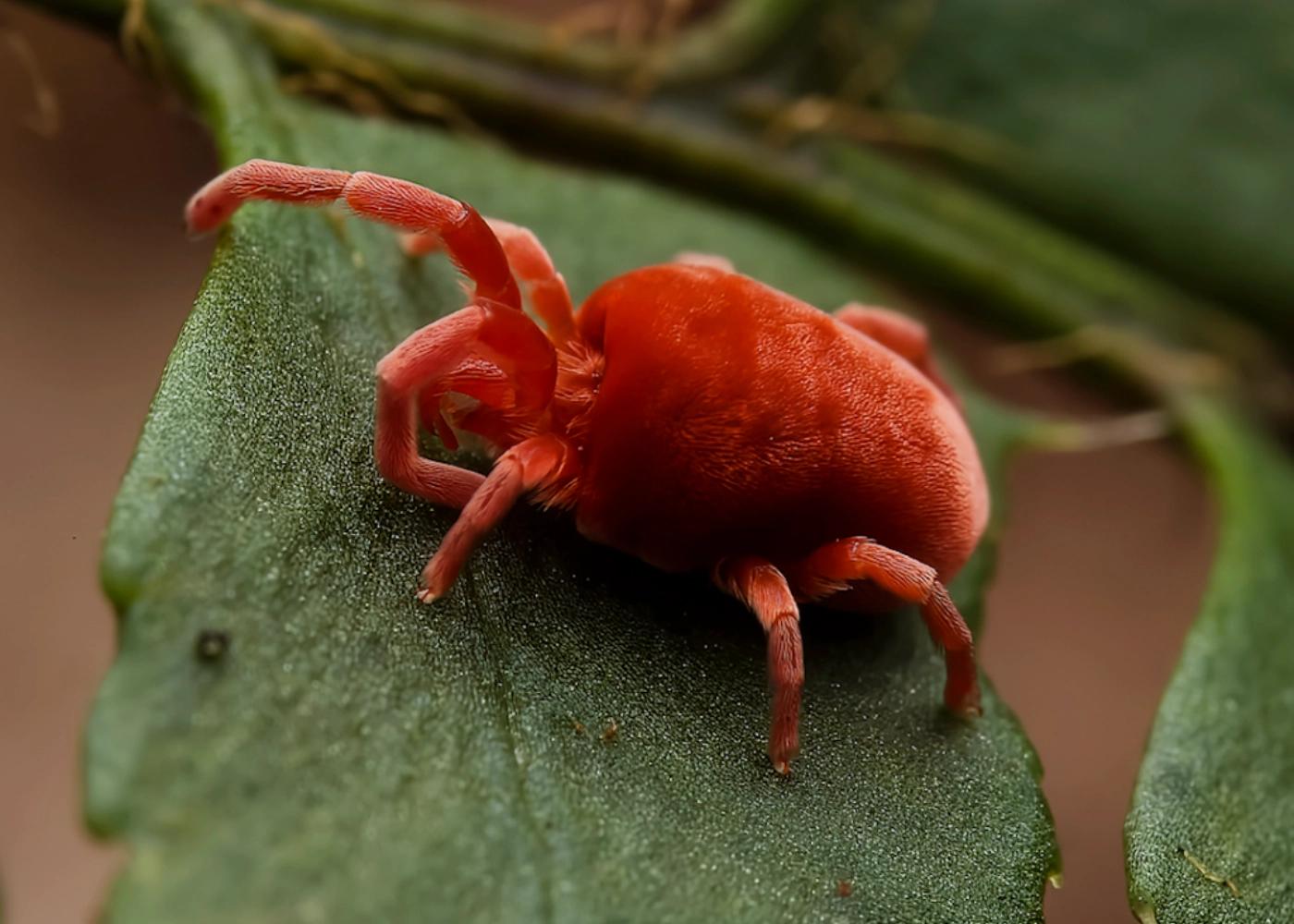
Chiggers are extremely small — the biting larvae are reddish and nearly invisible to the naked eye, far smaller than a tick. You almost never see the chigger itself; you notice the result: intensely itchy, raised red welts that appear hours after time outdoors and cluster where clothing is tight against the skin. The bites are commonly mistaken for other insect bites, but the tall-grass exposure and the clustered, slow-to-fade itch are the giveaways.
Where it's found
- Tall grass
- Fields
- Parks
- Wooded and brushy areas
- Shaded, humid, overgrown yard edges
Risk level
- Intensely itchy bites
- Skin irritation and secondary infection from scratching
- Makes yards and outdoor spaces unusable when heavy
Signs of activity
- Clusters of intensely itchy welts after time in tall grass
- Bites concentrated where clothing is snug — ankles, waistline, behind the knees
- Itch appearing hours after outdoor activity in overgrown areas
How Definity treats it
- Treat the yard, vegetation, and brushy edges where larvae quest
- Mow grass short to remove the tall, humid cover chiggers need
- Clear brush and leaf litter to reduce habitat
- Apply a perimeter barrier between vegetated zones and the areas people use
How to identify chiggers
Chiggers are extremely small — the biting larvae are reddish and nearly invisible to the naked eye, far smaller than a tick. You almost never see the chigger itself; you notice the result: intensely itchy, raised red welts that appear hours after time outdoors and cluster where clothing is tight against the skin. The bites are commonly mistaken for other insect bites, but the tall-grass exposure and the clustered, slow-to-fade itch are the giveaways.
Behavior & biology
Only the larval stage of these mites bites a host; later life stages live in the soil and don't feed on people. Larvae congregate in tall grass, weedy fields, brush, and shaded, humid, vegetated areas, questing low on vegetation for a passing host. They attach to skin, feed on skin-cell fluid for a period, then drop off — they do not burrow into or live under the skin, a common myth. Populations build in untended, overgrown, humid areas through the warm season.
Why chiggers matter
Chiggers don't damage structures and aren't known to transmit disease in this region, but their bites are a genuine nuisance: intensely itchy welts that can persist for days and tempt scratching that leads to secondary skin infection. For families who use their yard, a chigger-infested lawn edge or brushy area can make outdoor space miserable through the warm months, which is why reducing the habitat matters as much as treating it.
DIY vs. professional control
A single over-the-counter spray rarely fixes a chigger problem because it ignores the overgrown, humid habitat that keeps reseeding the larvae. Effective control pairs treatment with habitat reduction: cutting grass short, clearing brush and leaf litter, and treating the vegetated zones and yard edges where chiggers concentrate, plus a perimeter barrier between that habitat and the areas people use.
How Definity treats chiggers
Definity controls chiggers by treating the yard, vegetation, and brushy edges where the larvae quest, and pairing that with habitat reduction — mowing grass short, clearing brush and leaf litter — and a perimeter barrier between the vegetated zones and the areas the family uses. Johnny Lockridge tells customers the lawn itself is the fix: keep the grass cut, clear the brush, and treat the edges, and you take away the tall, humid cover chiggers need.
Fast facts
- Only the larval stage of these mites bites people; the later stages live in the soil and don't feed on humans, so control focuses on the vegetation where larvae quest.
- Chiggers don't burrow into or live under the skin — they attach, feed, and drop off — so the lingering itch is a reaction to the bite, not a mite still in the skin.
Visual ID
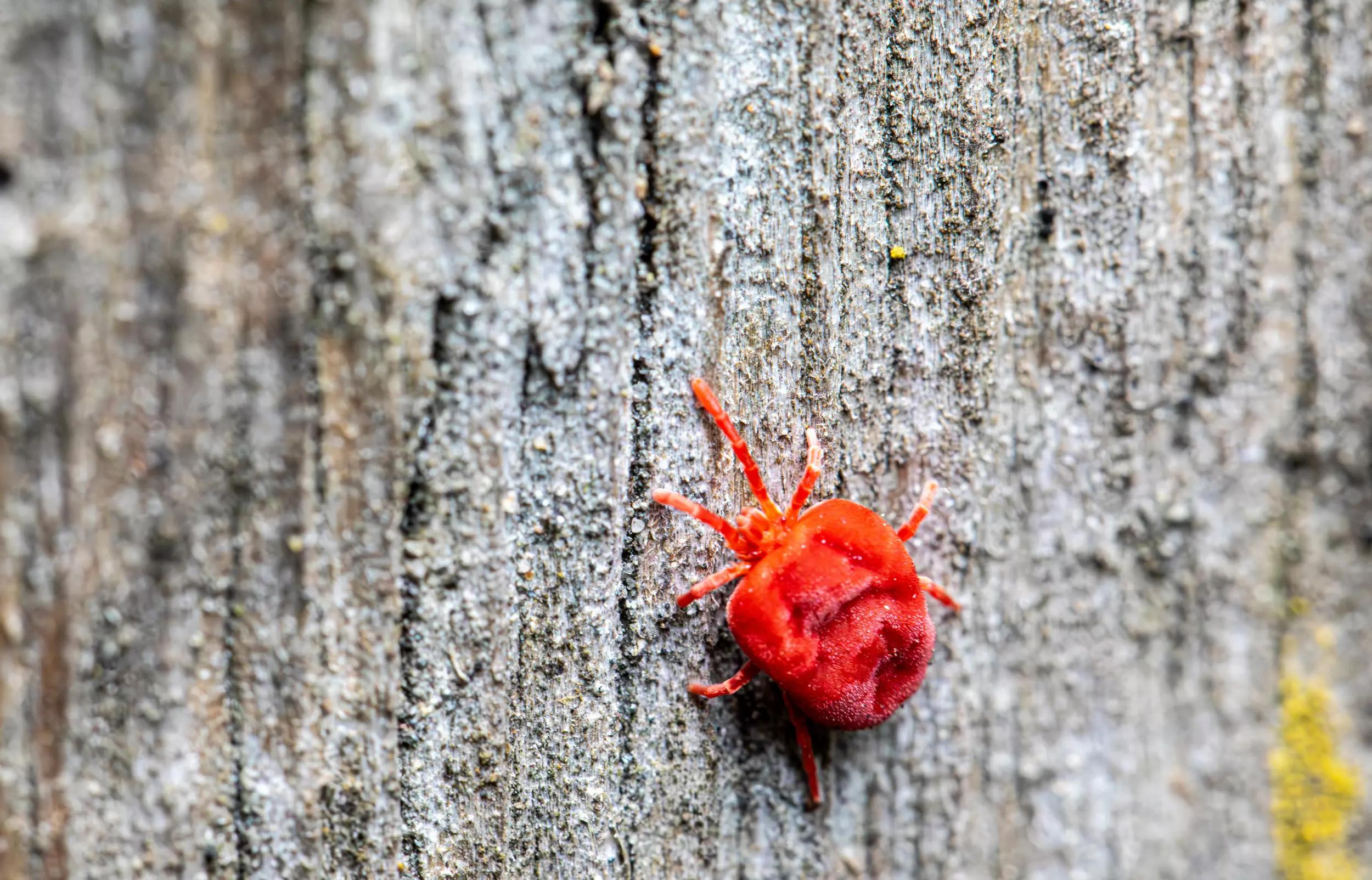
What chiggers look like
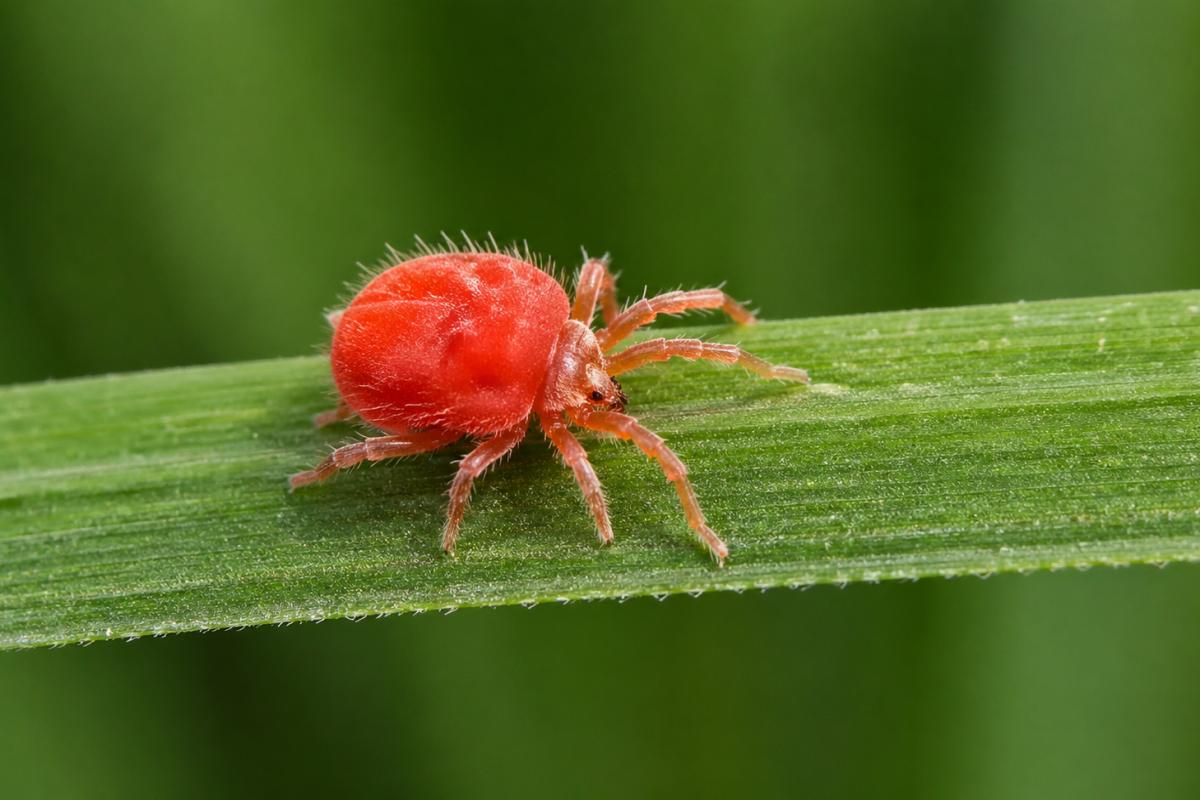
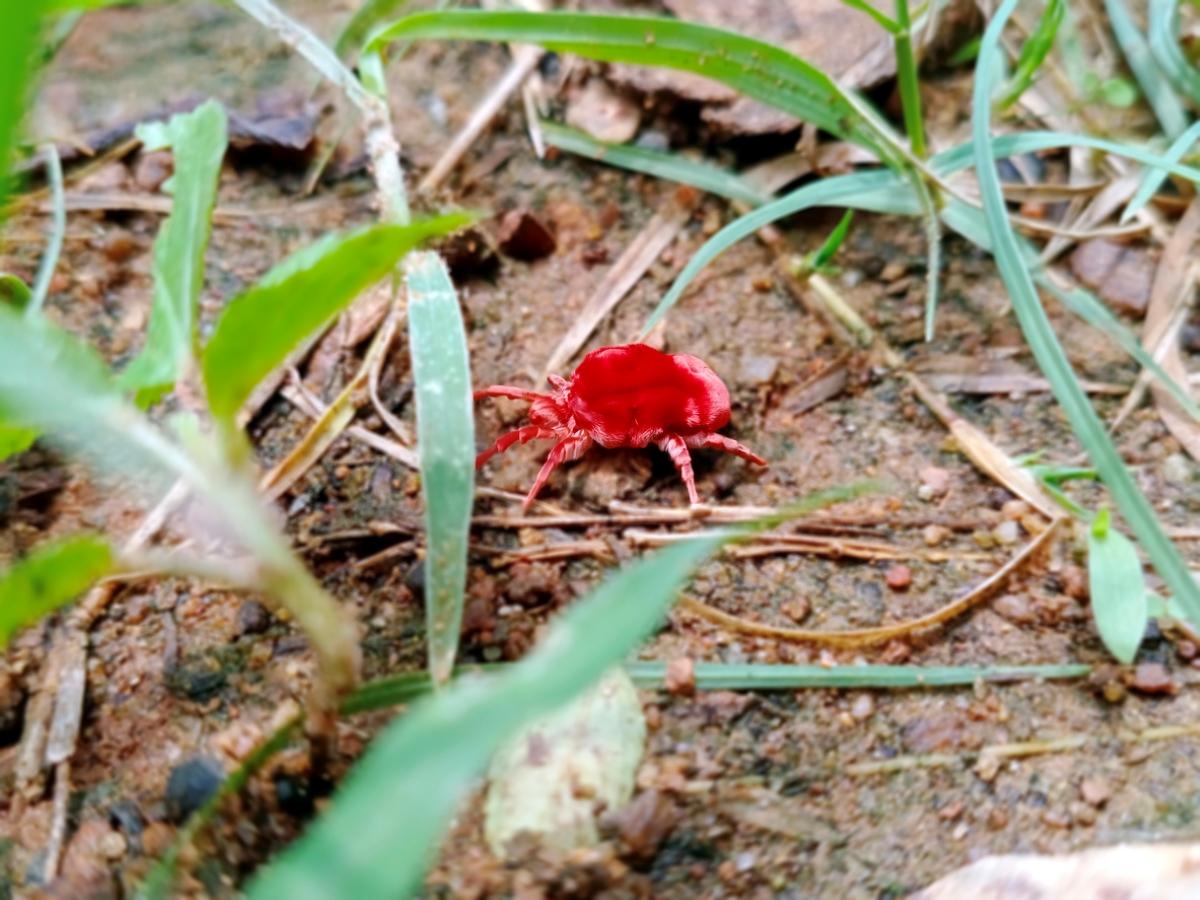
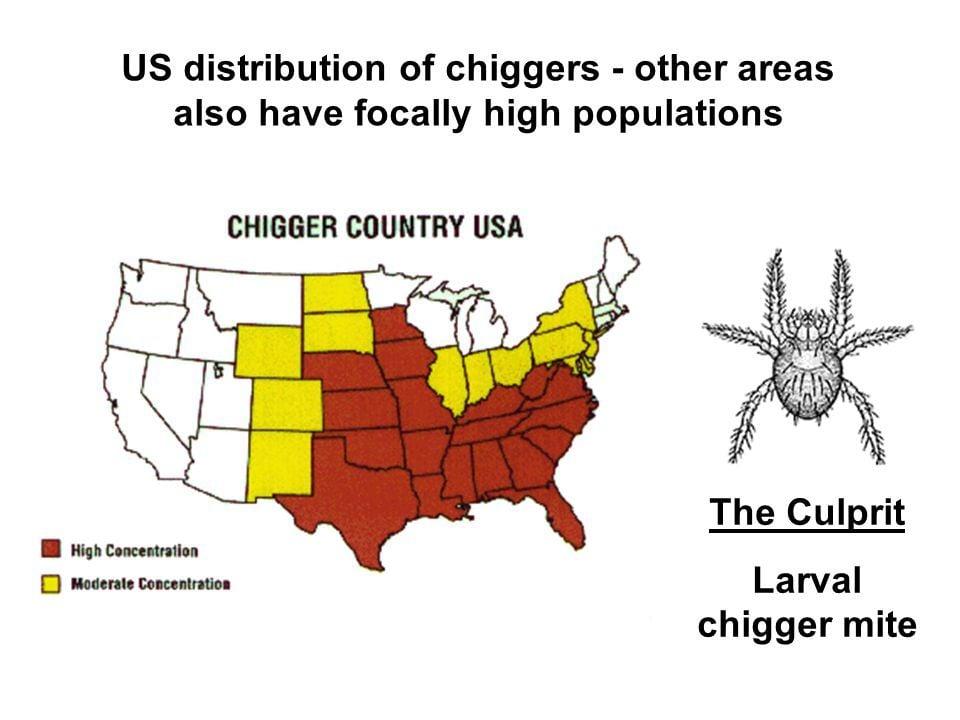
Real reference photos to help you identify chiggers before they become a bigger problem.

How we treat it
Precise, Safe Mixing
Johnny mixes EPA-registered products to exact specification — the right treatment for the job, applied safely around your family and pets.
Questions, answered
Chiggers FAQ
Where do people pick up chiggers?
In tall grass, weedy fields, brush, and shaded, humid, overgrown areas, where the larvae quest low on vegetation for a passing host. Bites usually show up hours later, clustered where clothing is snug — ankles, waistline, and behind the knees.
Do chiggers live under your skin?
No — that's a myth. Chiggers attach to the skin's surface, feed for a period, then drop off. The intense itch is your body's reaction to the bite, not a mite burrowed underneath, so there's nothing to dig out.
Get help with chiggers: General Pest Control

Texas-proud · Family-owned · Licensed
Got Chiggers? We solve it.
Definity Pest Services treats Chiggers for homes and businesses across the DFW Metroplex — licensed, insured, and guaranteed.
Get your free quote
Tell us what you're seeing. Johnny Lockridge or a Definity tech will call you back fast — usually same day.
Prefer to talk now? Call 469-471-6798.
- Free, no-pressure estimate
- Licensed & insured Texas operator
- Commercial & residential