
 Definity Pest Services · DFW
Honey bees (Apis mellifera) are essential pollinators, not a pest to be wiped out. Around DFW they sometimes establish colonies in wall voids, chimneys, sheds, and trees, where they can sting defensively and, over time, cause structural and moisture problems from comb and honey. Definity's approach is to assess first and, for honey bees, arrange live removal and relocation where possible — treating or excluding only when a colony genuinely threatens a structure or safety.
Quick reference
Identification
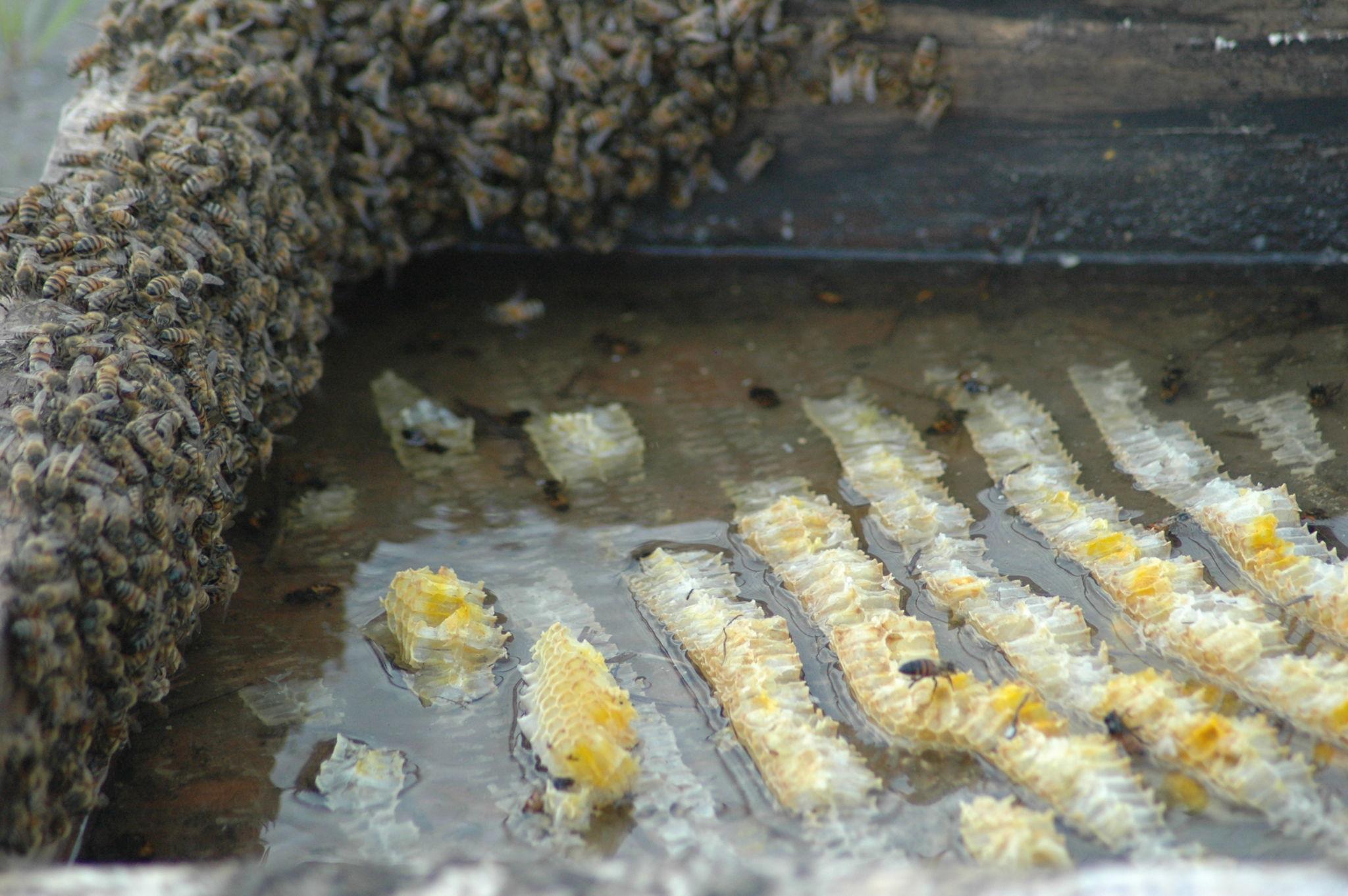
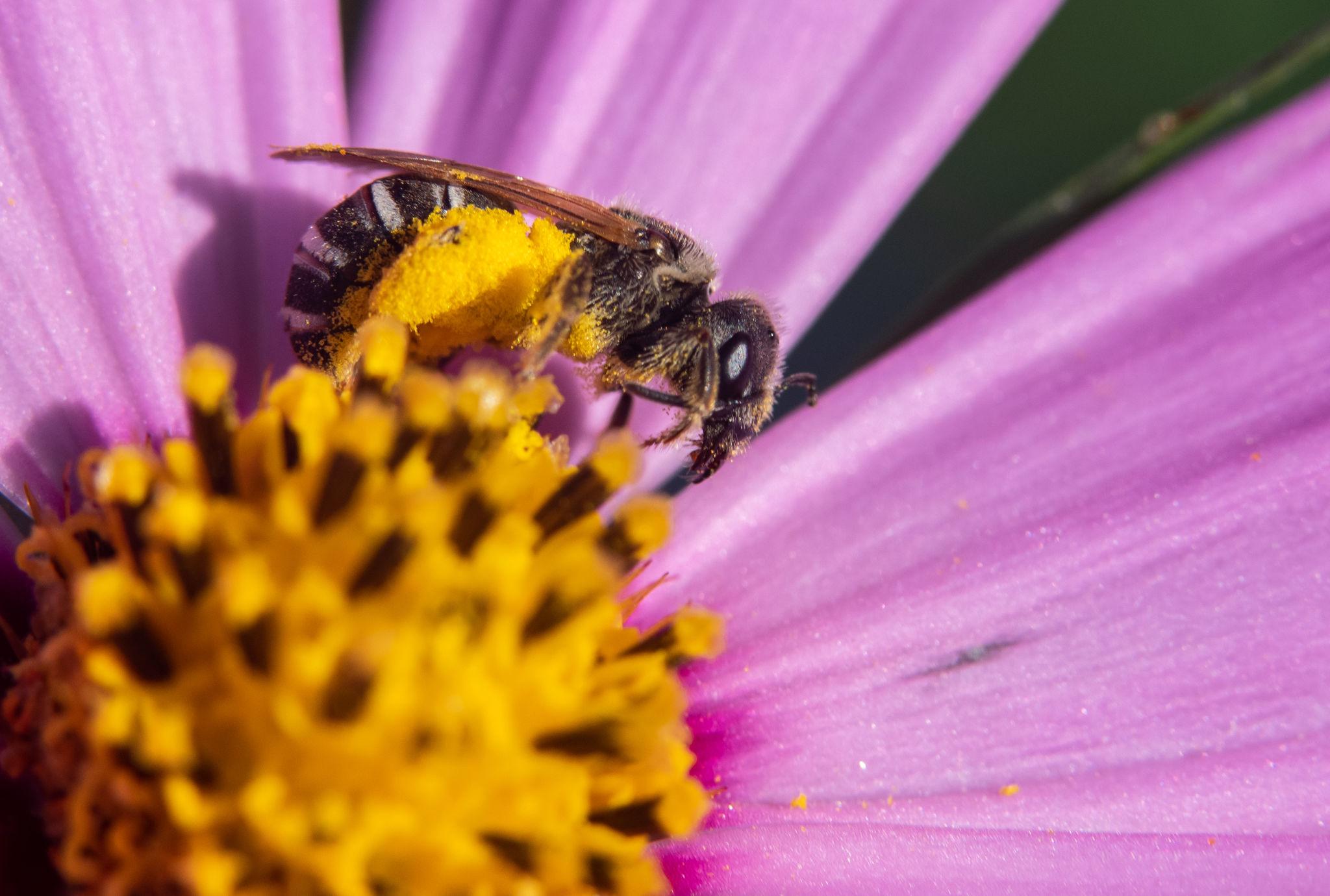
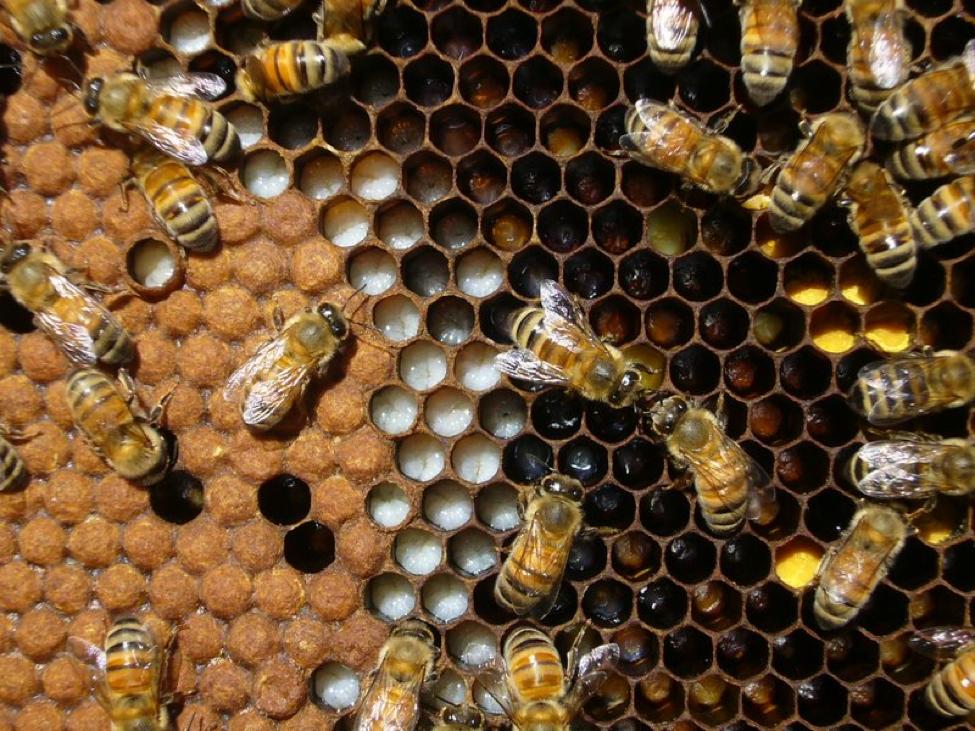
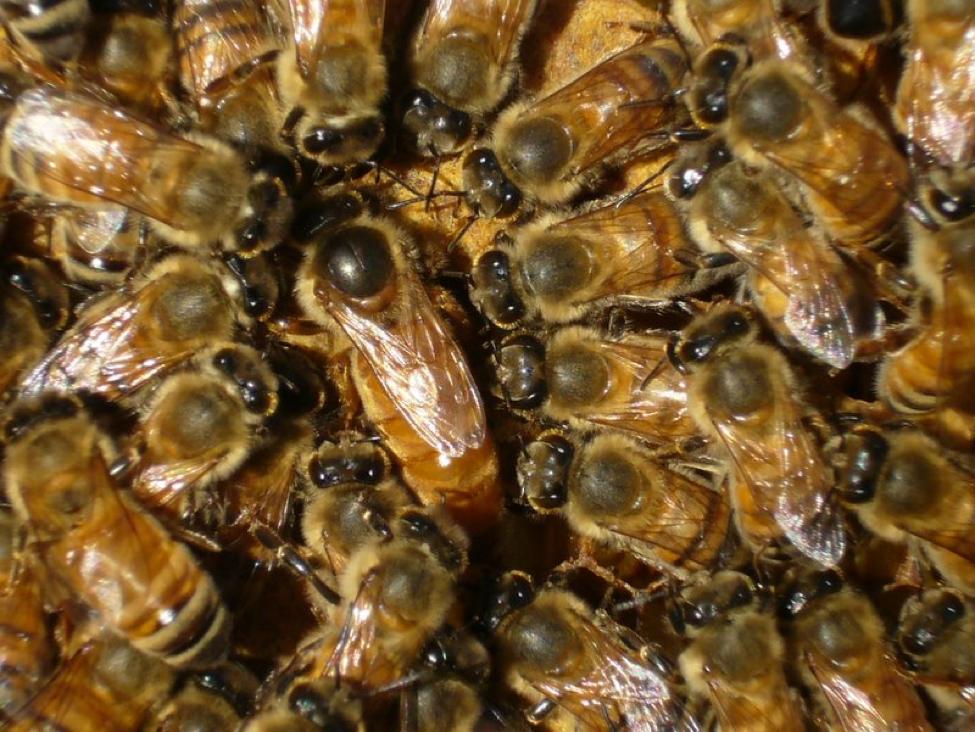
Honey bees are golden-brown to amber with fuzzy bodies and dark bands, about 1/2 inch, and far hairier than the smooth, slender wasps people confuse them with. You'll see steady two-way bee traffic at a single entry point — a knothole, gap in the brick, soffit, or chimney — rather than a visible paper comb. Continuous buzzing inside a wall and, in an established colony, honey or waxy seepage staining the interior surface are telltale signs of bees nesting in the structure.
Where it's found
- Trees
- Wall voids
- Chimneys
- Sheds
- Soffits and structural cavities
Risk level
- Defensive stings near hives
- Stings can be a medical emergency for allergic people
- Structural and moisture damage when colonies establish inside walls
Signs of activity
- Continuous two-way bee traffic at a single entry point
- Buzzing inside a wall
- Honey or waxy seepage staining interior surfaces
How Definity treats it
- Assess the colony and confirm the species before any action
- For honey bees, arrange live removal and relocation wherever possible
- Treat and exclude only when a colony threatens the structure or safety and live removal isn't feasible
- Remove leftover comb and honey and seal the entry point so the cavity isn't reoccupied
How to identify bees
Honey bees are golden-brown to amber with fuzzy bodies and dark bands, about 1/2 inch, and far hairier than the smooth, slender wasps people confuse them with. You'll see steady two-way bee traffic at a single entry point — a knothole, gap in the brick, soffit, or chimney — rather than a visible paper comb. Continuous buzzing inside a wall and, in an established colony, honey or waxy seepage staining the interior surface are telltale signs of bees nesting in the structure.
Behavior & biology
A honey bee colony is a large social unit — a single queen plus thousands of workers — that builds wax comb to store honey and raise brood. Colonies establish in spring and summer, often when a swarm looking for a new home moves into a cavity in a wall, chimney, or hollow tree. Once inside, the colony expands its comb and honey stores through the warm season, which is why an ignored colony grows heavier, more defensive, and more damaging the longer it stays.
Why bees matter
Bees are overwhelmingly beneficial, so the concern is situational rather than constant. A colony in a wall or chimney can deliver defensive stings to people nearby, and stings are a medical emergency for those with venom allergies. Established comb adds weight and, when a colony is killed or abandoned without removal, the leftover honey and wax can seep, stain, attract other pests, and create moisture and odor problems inside the structure. The bees themselves do not chew wood like carpenter ants or termites.
DIY vs. professional control
Spraying a colony in a wall is both ethically and practically the wrong move — it kills beneficial pollinators and leaves comb and honey rotting inside the structure, drawing ants, roaches, and moisture damage. Honey bees should be assessed by a professional who can identify the species, determine whether live removal is feasible, and coordinate relocation. Treatment or exclusion is reserved for cases where a colony genuinely threatens a structure or safety and live removal isn't possible.
How Definity treats bees
Definity treats bees as the pollinators they are: we assess the colony first, confirm it's honey bees, and arrange live removal and relocation wherever possible rather than extermination. When a colony is in an inaccessible void or poses a direct threat to a structure or to allergic occupants and live removal isn't feasible, we treat and then remove comb and honey and seal the entry point so the cavity isn't reoccupied. Johnny Lockridge's guidance is simple — don't spray a beehive in your wall; have it assessed, because in most cases the bees can be saved and the entry sealed so they don't come back.
Fast facts
- Honey bees are essential pollinators critical to agriculture, so the goal with a structural colony is live removal and relocation wherever possible rather than extermination.
- Killing a wall colony without removing the comb leaves honey and wax to seep, stain, and attract ants and other pests, which is why proper removal and sealing matters as much as the bees themselves.
Visual ID
What bees look like
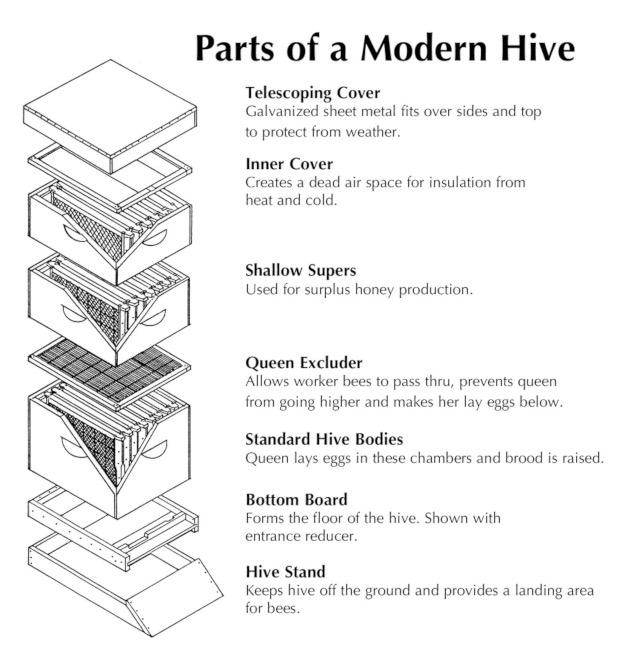
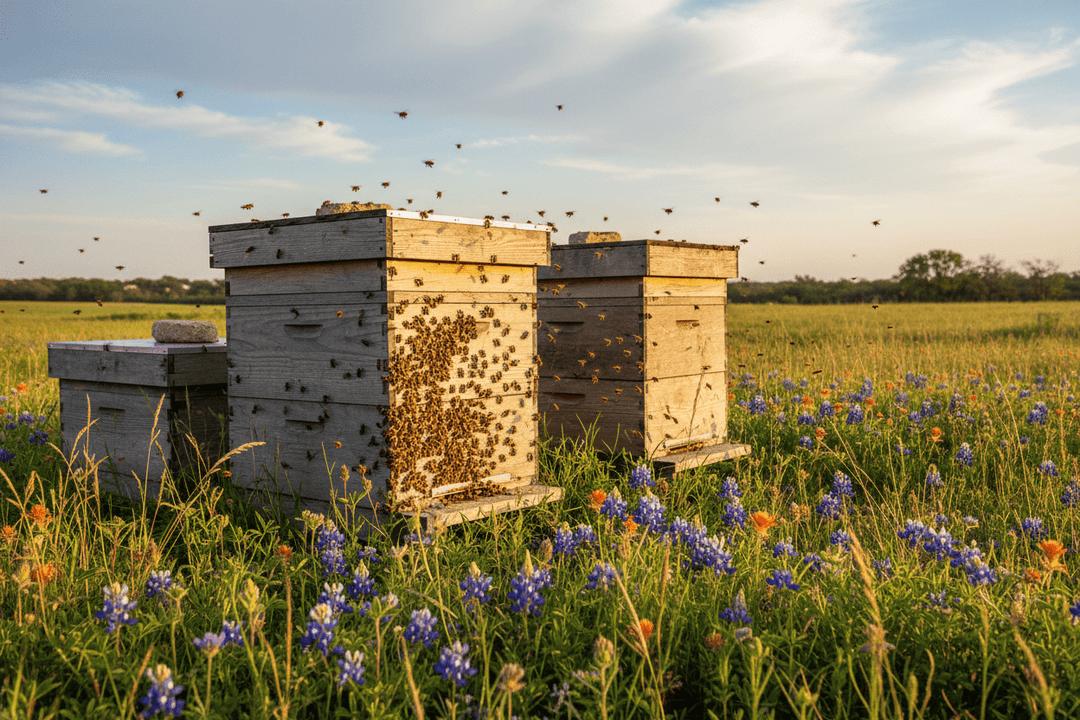
Real reference photos to help you identify bees before they become a bigger problem.
How we treat it
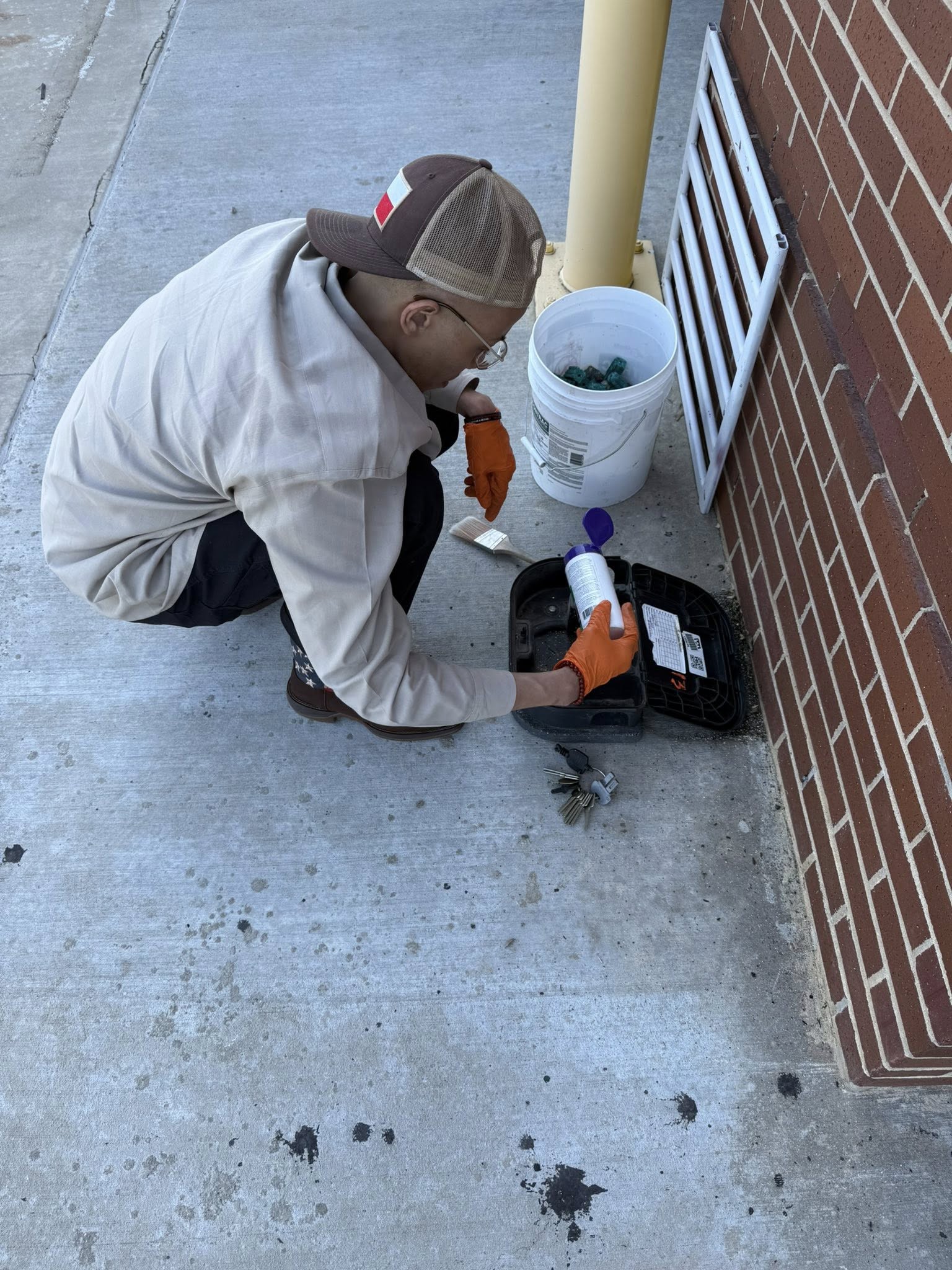
Exterior Service
Treating the exterior of the home to seal out pests and keep the family protected.
Questions, answered
Bees FAQ
Will you just kill the bees in my wall?
Not by default. Honey bees are beneficial pollinators, so we assess the colony first and arrange live removal and relocation whenever it's feasible. We only treat when a colony is inaccessible or genuinely threatens the structure or allergic occupants and live removal isn't possible — and even then we remove the comb and honey and seal the entry.
How do I tell honey bees from wasps in my wall?
Honey bees are fuzzy, golden-brown, and you'll see heavy two-way traffic at one entry point with buzzing inside the wall. Wasps are smooth and slender with dangling legs and build open paper combs. Correct identification matters because honey bees should be relocated, not exterminated.
Get help with bees: General Pest Control, General Pest Control

Texas-proud · Family-owned · Licensed
Got Bees? We solve it.
Definity Pest Services treats Bees for homes and businesses across the DFW Metroplex — licensed, insured, and guaranteed.
Get your free quote
Tell us what you're seeing. Johnny Lockridge or a Definity tech will call you back fast — usually same day.
Prefer to talk now? Call 469-471-6798.
- Free, no-pressure estimate
- Licensed & insured Texas operator
- Commercial & residential